
5 Ways to Manage Heat Pump Auxiliary Heat

Samantha Boylls • October 12, 2026

Share this article

Heat pump auxiliary heat is a backup heating mode that helps your heat pump maintain indoor comfort when outdoor temperatures are low or the thermostat calls for a large temperature increase. It uses supplemental electric resistance heat, which can cost more to operate. Emergency heat is a manual backup mode used when the heat pump cannot run.

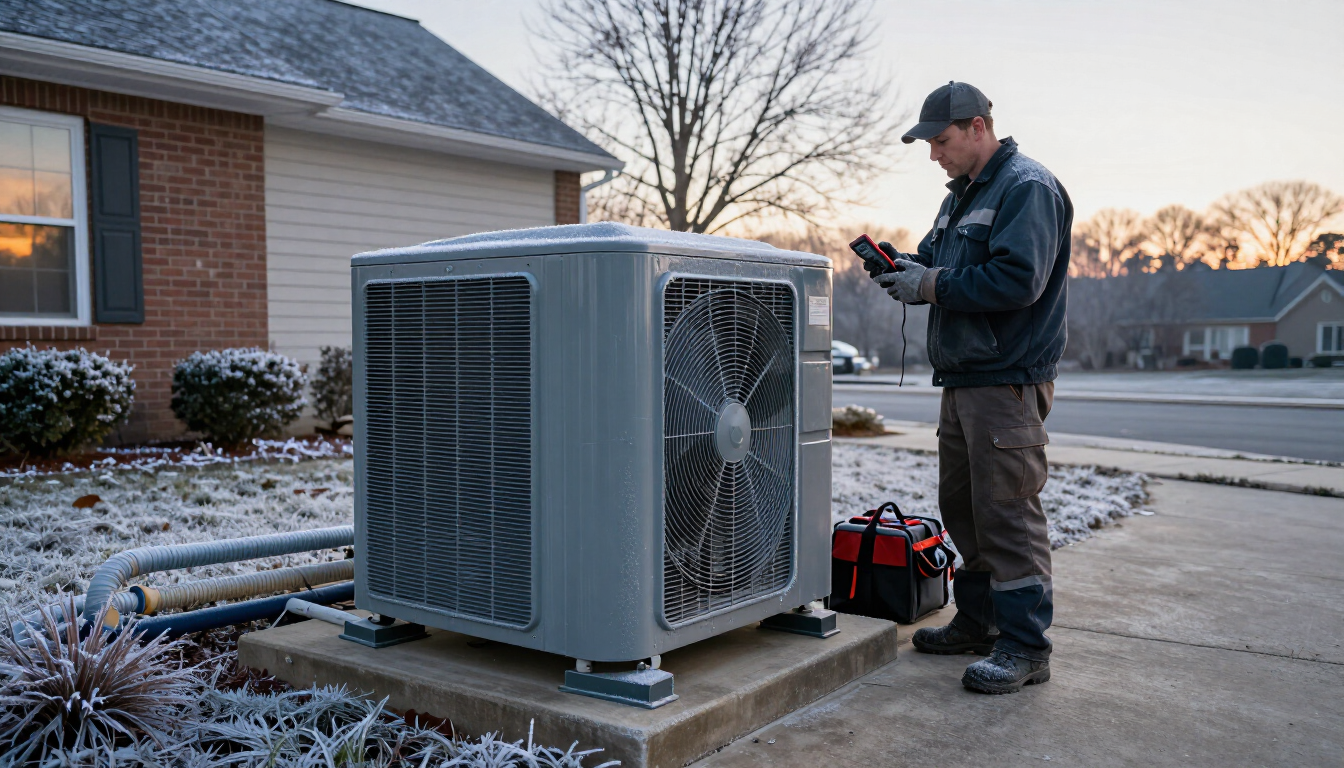
Heat pump outdoor unit during a Middle Tennessee cold snap

What Is Heat Pump Auxiliary Heat?

A heat pump normally moves heat from outdoor air into your home. Even when the air feels cold, it contains some heat energy that the system can transfer indoors. As outdoor temperatures drop, however, the heat pump may need help keeping up with the home’s heating demand.

Auxiliary heat, often shown as AUX on a thermostat, provides that help. In many homes, it comes from electric resistance heating elements inside the indoor air handler. Some systems may use another supplemental heat source, but electric backup heat is common.

Auxiliary heat can turn on when:

  • Outdoor conditions make the heat pump’s job more difficult.
  • The home needs heat faster than the heat pump can provide it.
  • The system is completing a defrost cycle.
  • The thermostat detects a large difference between the set temperature and the indoor temperature.

Seeing AUX occasionally does not automatically mean the system has a problem. During a cold snap in Gallatin, Hendersonville, and surrounding Middle Tennessee communities, more frequent auxiliary heat is possible because the system has less usable outdoor heat to collect.

Why Does Auxiliary Heat Run More During a Cold Snap?

A heat pump is designed to operate efficiently across a range of outdoor temperatures, but its heating capacity changes as conditions change. Colder air generally gives the outdoor unit less heat to extract. Wind, frost, humidity, and the home’s insulation can also affect how much heat the system must deliver.

When the heat pump cannot satisfy the thermostat by itself, auxiliary heat may operate alongside it. This can make a winter electric bill jump because resistance heat uses electricity differently from the compressor-based heat pump. The longer supplemental heat operates, the more noticeable its electrical demand may be.

Cold weather can also cause the outdoor unit to develop frost. The system periodically enters a defrost cycle to remove that frost. During defrost, auxiliary heat may run briefly so the air delivered indoors does not feel uncomfortably cool.

This behavior is not a guaranteed explanation for every higher bill. A sudden increase can also involve airflow problems, duct leakage, thermostat issues, changing weather, insulation, or an equipment concern. A professional evaluation is the best way to separate normal cold-weather operation from a problem.

Which Thermostat Habits Trigger Auxiliary Heat?

Some thermostat habits can create conditions that encourage backup heat to run. The thermostat is trying to reach the requested temperature, so a large or rapid demand may cause it to use supplemental heat rather than waiting for the heat pump to catch up gradually.

Common triggers include:

  • Raising the temperature several degrees at once.
  • Turning the system off and requesting a much warmer home later.
  • Frequently changing the setting throughout the day.
  • Using a schedule that creates large temperature setbacks.
  • Selecting Emergency Heat when the heat pump is still operating normally.

Avoid treating the thermostat as a diagnosis tool. A setting that works well in one home may not be appropriate for another because equipment design, insulation, ductwork, and comfort preferences differ.

For cost-conscious homeowners, the practical approach is consistency. Use a comfortable setting, avoid dramatic changes, and watch whether AUX appears briefly or remains on for long periods. Do not make a major adjustment solely to chase a promised savings percentage; no single setting guarantees the same result in every home.

What Is the Difference Between Auxiliary and Emergency Heat?

Auxiliary and emergency heat are related but not identical.

| Feature | Auxiliary heat | Emergency heat | |---|---|---| | How it starts | Usually turns on automatically | Selected manually at the thermostat | | Heat pump operation | Normally continues operating | Heat pump is intentionally disabled | | Typical purpose | Helps meet demand during cold conditions or defrost | Provides backup when the heat pump cannot operate safely or properly | | Cost concern | May use more electricity while operating | Can use more electricity because the heat pump is not assisting |

Emergency Heat is not simply a stronger version of normal heat. It is a separate operating mode intended for situations such as a heat pump that is not running, has a serious operating concern, or requires professional attention.

If you select Emergency Heat, contact an HVAC professional for guidance rather than leaving it on as a routine winter setting. If the outdoor unit is damaged, making unusual sounds, or not operating, avoid troubleshooting electrical components yourself.

When Should You Request a Heating Check?

A technician should evaluate a heat pump when auxiliary heat runs unusually often, stays on for extended periods, or appears during mild outdoor weather. Frequent AUX operation can be normal under certain conditions, but it can also point to a system that is struggling to transfer or distribute heat.

A professional heating check may include:

  1. Thermostat and control review: The technician checks wiring, mode settings, temperature sensors, schedules, and communication between the thermostat and equipment.
  2. Airflow inspection: They examine the filter, blower operation, indoor coil condition, registers, and return-air path.
  3. Outdoor unit evaluation: They inspect the coil, fan, defrost controls, electrical components, and signs of restricted airflow or ice.
  4. Refrigerant and heating performance checks: Proper measurements help identify whether the system is transferring heat as intended.
  5. Ductwork and distribution review: Leaks, disconnected ducts, or uneven airflow can make the system run longer without delivering comfort efficiently.
  6. Auxiliary heat operation: The technician verifies that the backup elements and safety controls operate correctly and are not engaging unnecessarily.

This inspection does not automatically mean you need a replacement. Depending on the findings, the solution may involve maintenance, airflow correction, control adjustment, duct repair, or a more significant repair. If your system is older or repeatedly needs service, a technician can also explain available heating and air conditioning systems without assuming replacement is the right answer.

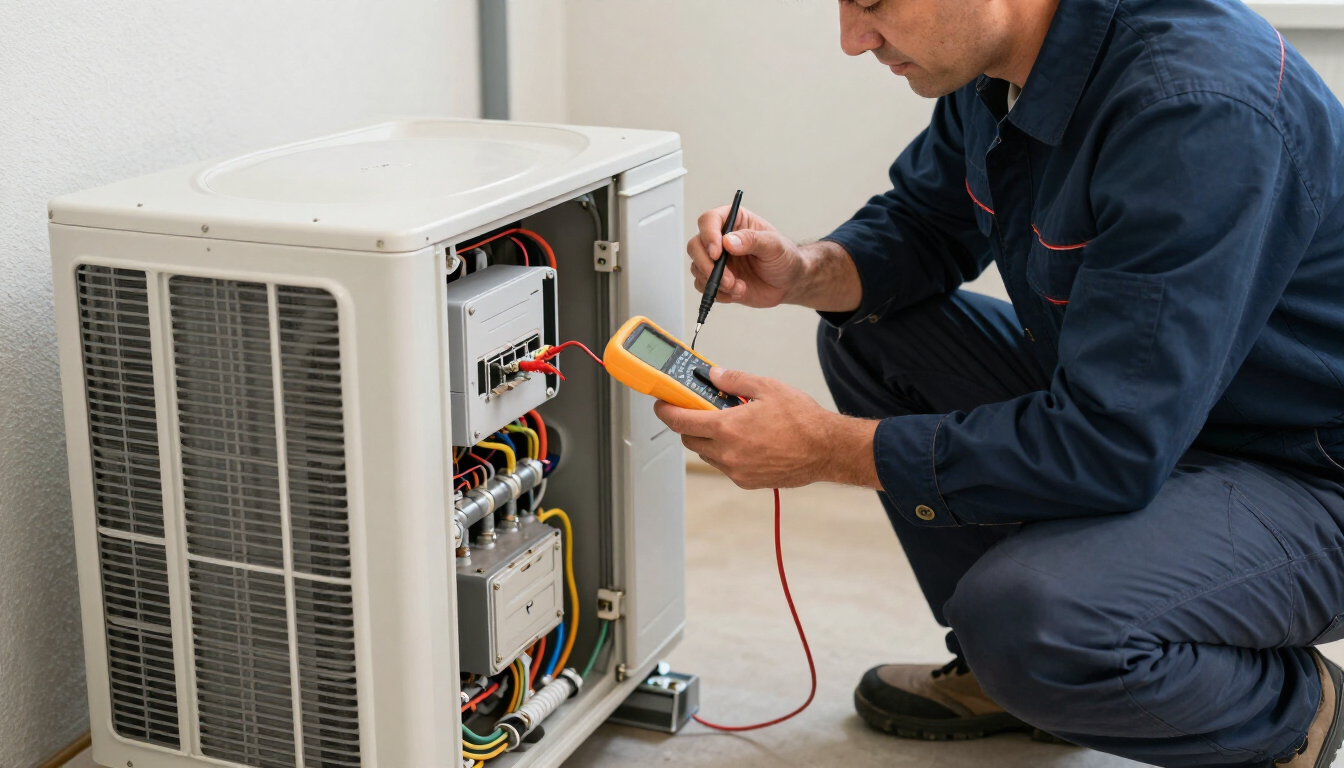
HVAC technician inspecting a heat pump system

A Practical Thermostat Checklist

Before requesting service, note what the system is doing. This information can help a technician work more efficiently.

  • Record when AUX appears and whether it turns off.
  • Note outdoor weather conditions, including frost or freezing temperatures.
  • Check that the thermostat is in normal Heat mode rather than Emergency Heat.
  • Confirm that the filter is clean and properly installed.
  • Listen for unusual sounds or notice weak airflow from vents.
  • Avoid opening equipment panels or handling electrical components.

A clean filter is useful basic maintenance, but replacing it will not correct every cause of frequent auxiliary heat. Follow the filter manufacturer’s guidance and your equipment requirements. For broader upkeep, review the company’s maintenance services .

How Can a Homeowner Reduce Unnecessary Heat Demand?

No thermostat habit can eliminate the need for backup heat during every Middle Tennessee cold snap. Still, homeowners can reduce avoidable heating demand by taking practical steps:

  • Keep doors and windows closed while heating.
  • Address noticeable drafts around exterior doors and windows.
  • Keep supply vents and return grilles unobstructed.
  • Use the thermostat schedule consistently rather than making frequent large changes.
  • Arrange maintenance before the heating season when possible.

These actions support comfort but do not prove that a system is operating correctly. If AUX appears repeatedly, the most useful next step is an inspection rather than repeated thermostat experimentation.

Frequently Asked Questions

Is it normal for AUX heat to come on in cold weather?

It can be normal for auxiliary heat to operate during freezing temperatures, defrost cycles, or periods of increased heating demand. The duration and frequency matter. AUX that runs continuously, appears in mild weather, or accompanies poor comfort deserves professional attention.

Does Emergency Heat mean my heat pump is broken?

Not always, but Emergency Heat is intended for backup operation when the heat pump cannot run or should not run. If you need to select it, contact a qualified technician so the underlying condition can be evaluated.

Why did my electric bill increase when AUX heat ran?

Auxiliary heat commonly uses electric resistance elements, which can create a higher electrical demand than normal heat-pump operation. Weather, thermostat behavior, insulation, airflow, and equipment condition can also affect the bill, so the increase alone does not identify one cause.

Should I turn off auxiliary heat?

Do not disable safety controls or modify equipment wiring. Auxiliary heat is designed to operate automatically when needed. If it appears too often, request a heating check instead of trying to prevent it manually.

Request a Heating Check

For a cost-conscious homeowner, the key is to understand the difference between normal backup operation and a system that is working harder than it should. Occasional AUX during a Middle Tennessee cold snap may be expected, while persistent auxiliary heat, weak airflow, unusual noises, or poor comfort calls for a professional evaluation. Keep thermostat changes moderate, confirm the system is not in Emergency Heat, and note when AUX appears. When you are ready, request a heating check through our contact page . If replacement or repair options are needed, you can also review available financing .

Recent Posts

Standby generator installation for winter storm preparation
By Samantha Boylls • October 19, 2026
Learn how licensed standby generator installation works—from site assessment and transfer switch planning to gas, electrical, permits, and inspection—before winter ice storms.
Technician performing a fall furnace tune-up
By Samantha Boylls • October 5, 2026
Learn what a fall furnace tune-up includes, what technicians inspect, and which safe heating checks homeowners can do before cold weather in Gallatin, TN.

A modern home interior at night during a snowstorm.
September 28, 2026
Facing a no heat emergency on the coldest night? Follow our calm, safe checklist for homeowners in Gallatin and Middle Tennessee to restore warmth or stay safe.

A cozy energy-efficient home in Middle Tennessee.
September 21, 2026
Discover how the TVA Home Uplift program transforms homes in Middle Tennessee. Learn how Derryberry’s Heat & Air participates in this community energy initiative.
A professional standby generator installation at a modern residence.
September 14, 2026
Learn the professional steps for standby generator installation to keep your home powered safely during Tennessee's spring storm season. Understand permits, safety, and why expert help is vital.
A professional technician performing a fall heating tune-up on a residential HVAC system.
September 7, 2026
Discover what a NATE-certified technician inspects during a fall heating tune-up. Learn about airflow, safety controls, and combustion checks for your home.

Modern smart thermostat on a living room wall during winter
August 24, 2026
Manage your heating costs this winter with professional tips on thermostat habits, heat pump efficiency, and airflow maintenance from Gallatin's HVAC experts.

A cozy winter home interior representing comfort and moisture control.
August 17, 2026
Discover how whole-home humidifiers from brands like Aprilaire and Honeywell improve winter comfort by addressing dry skin, static electricity, and cracking wood trim in Middle Tennessee homes.

A beautiful Middle Tennessee home during a crisp winter morning, representing residential comfort.
August 10, 2026
Compare heat pumps, gas furnaces, and dual fuel systems for Middle Tennessee winters. Learn which heating setup offers the best comfort and efficiency for your home without technical jargon.

Cozy bonus room above a garage with comfortable seating.
August 3, 2026
Is your room over the garage uncomfortable? Learn why bonus rooms stay hot or cold and explore solutions like ductless mini-splits and insulation fixes.

Show More