
5 Tips for a No Heat Emergency: Safety Checklist

September 28, 2026

Share this article

If you have a no heat emergency, first check your thermostat settings and batteries, ensure the air filter is clean, reset the breaker once, and verify all vents are unblocked. If these steps fail or you smell gas, evacuate and call a professional technician immediately for safety.

What should I do if my heat goes out on a cold night?

Discovering that your heating system has failed in the middle of a freezing Tennessee night is a stressful experience. At Derryberry's Heat & Air, we understand the urgency of a no heat emergency , especially when temperatures drop below freezing in Gallatin and Hendersonville. Your first priority is staying calm and ensuring the safety of everyone in your household. Panic can lead to overlooked details or, worse, dangerous DIY attempts that put your family at risk. Before you assume the worst, there is a sequence of safe, non-invasive checks every homeowner should perform. These steps focus on simple configuration issues that often mimic a total system failure.

When your home begins to lose warmth, the natural reaction is to worry about expensive repairs or long wait times for service. However, maintaining a clear head allows you to systematicallly assess the situation. Start by gathering blankets and moving family members into a central room to preserve body heat. Once everyone is comfortable, you can begin the HVAC emergency checklist . This guide is designed to help you identify if the issue is something you can resolve in seconds or if it requires the expertise of a NATE-certified technician. Remember, your safety is paramount; if at any point you feel uncomfortable or unsure, it is time to stop and call for professional assistance.

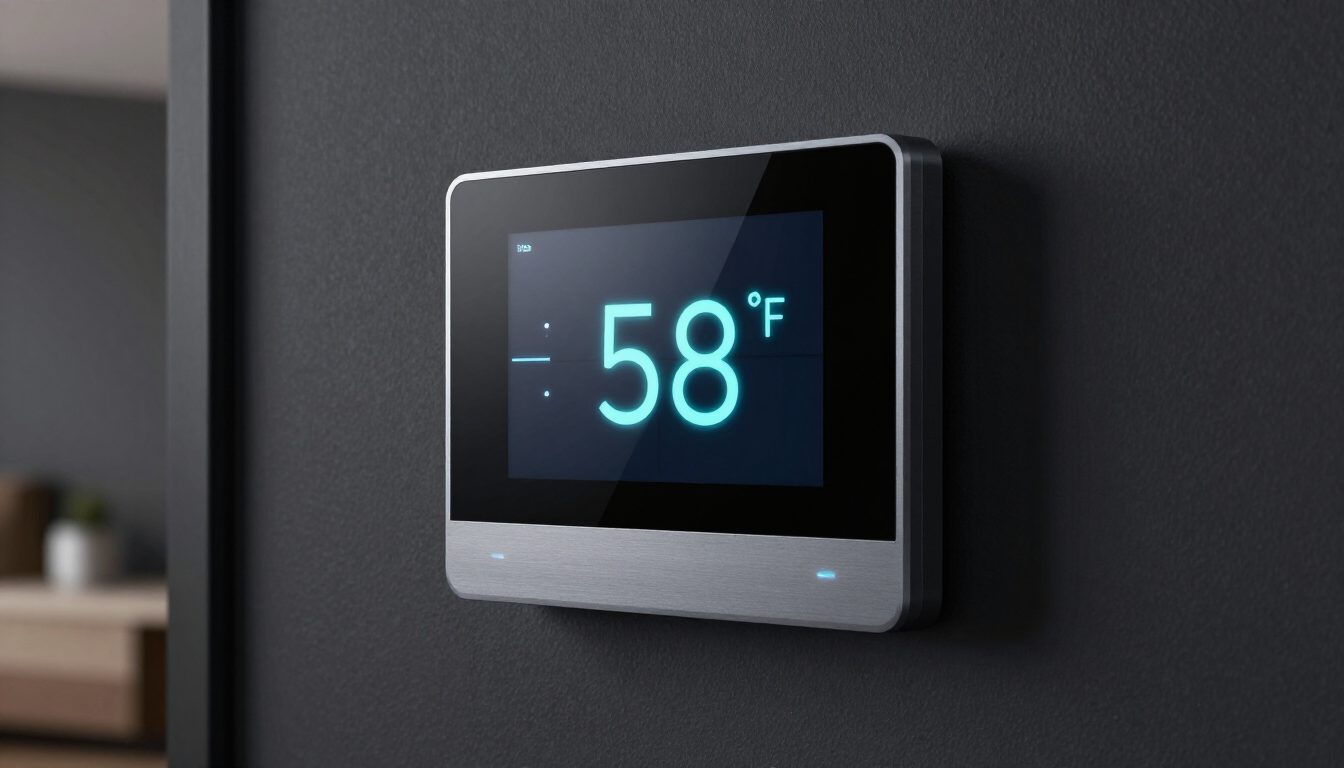
Thermostat showing low temperature

Immediate Safety Checklist for Your Heating System

Before diving into complex thoughts about mechanical failure, follow this short, safe checklist. These items are designed to be checked by any homeowner without specialized tools or training. We emphasize safety above all else; do not attempt to open the furnace cabinet or touch internal wiring. Focusing on the external controls and visible components is the most effective way for a homeowner to troubleshoot a broken heater coldest night situation.

  • Verify Thermostat Settings: Ensure the unit is set to "Heat" and the temperature is higher than the current room temperature.
  • Check Batteries: If your thermostat has a blank display, replace the batteries with fresh ones immediately.
  • Inspect the Air Filter: A clogged filter can trigger a safety shutoff due to overheating; replace it if it appears dirty.
  • One-Time Breaker Reset: Check your electrical panel for a tripped breaker. Reset it once only. If it trips again, stop immediately.
  • Clear the Vents: Make sure that furniture, curtains, or rugs are not blocking the return air grilles or supply vents.

Why is my thermostat not triggering the heat?

The thermostat is the brain of your heating system. In a no heat emergency , it is often the most overlooked culprit. Sometimes, a simple bump or a power flicker can reset the programming or switch the mode from "Heat" to "Off" or "Cool." Ensure that the fan setting is on "Auto" rather than "On" if you notice your furnace not blowing hot air consistently. If the fan is set to "On," it will blow air even when the heating elements are not active, which can make the house feel colder.

Another common issue involves battery-operated thermostats. Even if the screen looks functional, weak batteries might not provide enough power to send a signal to your furnace or heat pump. Replacing these batteries is a low-cost, high-reward first step in heating system troubleshooting . If you have a smart thermostat, ensure it is still connected to your home’s Wi-Fi, as some models may require an update or a reconnection to function correctly during extreme weather. If the display remains dark even with new batteries, there may be a deeper electrical issue that requires a professional visit from our team at Derryberry's .

The Role of Airflow in Heating Emergencies

Airflow is the lifeblood of your HVAC system. When airflow is restricted, the internal components of your furnace can reach dangerously high temperatures. To prevent a fire or permanent damage, most modern systems are equipped with a "limit switch" that automatically shuts the system down when it overheats. This is a common cause for a no heat emergency . The most frequent offender is a dirty air filter. If you haven't changed your filter in several months, the buildup of dust and pet dander creates a wall that air simply cannot pass through.

Beyond the filter, you must check your vents. It is a common mistake to close vents in unused rooms to save energy, but this actually increases the pressure within the system and can lead to a breakdown. Ensure all supply and return vents are open and unobstructed. If your system recently shut off and won't turn back on, it might be in a lockout mode. Sometimes, replacing the filter and waiting thirty minutes for the system to cool down allows it to reset itself. If you continue to experience issues after clearing obstructions, you likely need professional heating services to address the underlying cause of the overheating.

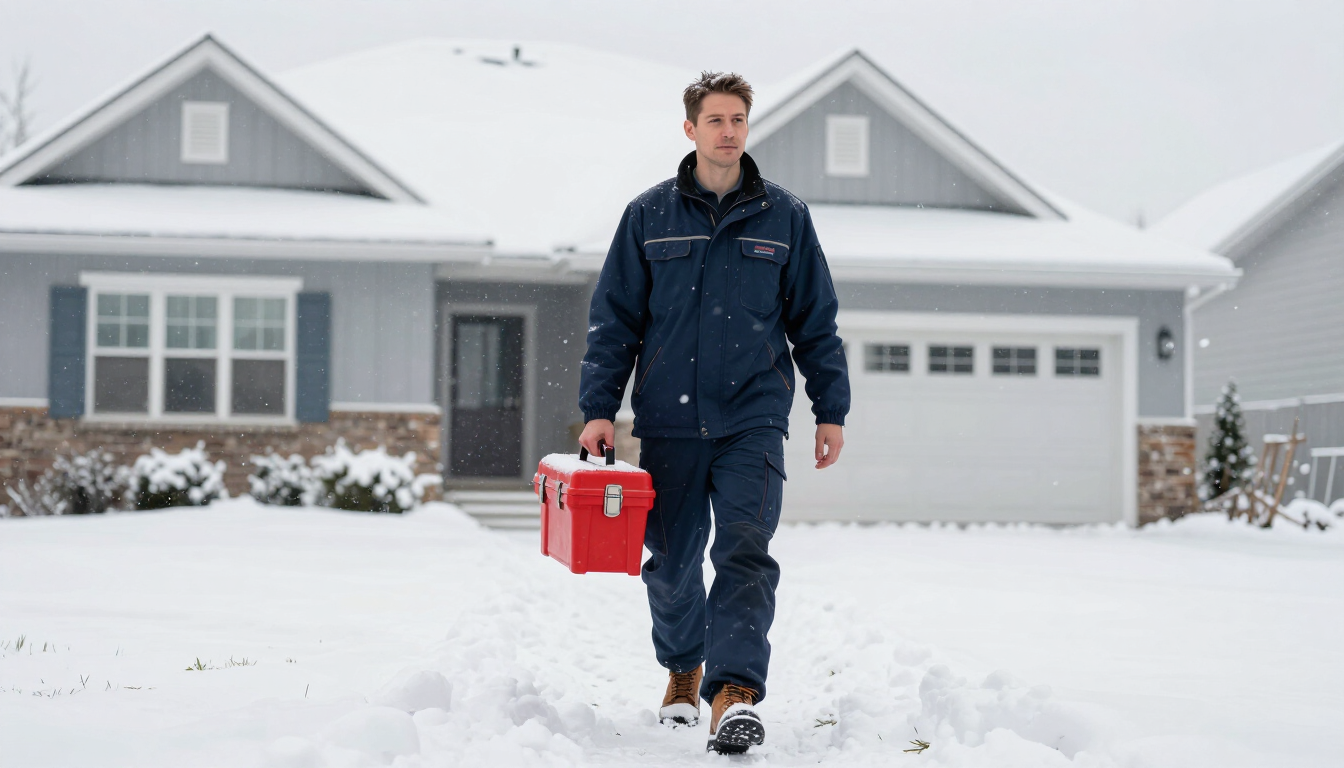
HVAC Technician in snow

When is it time to stop troubleshooting and call for help?

There is a fine line between basic troubleshooting and dangerous intervention. In a no heat emergency , you must know when to put the flashlight down and pick up the phone. If you have checked the thermostat, filter, and vents, and performed a single breaker reset without success, your DIY efforts have reached their safe limit. Do not, under any circumstances, attempt to access the internal gas valves, refrigerant lines, or high-voltage electrical panels. These components require specialized training and tools to handle safely.

Continuing to reset a breaker that keeps tripping is a major fire hazard. The breaker is tripping for a reason—usually to prevent an electrical overload. If your system hums but doesn't start, or if you hear loud grinding or screeching noises, shut the system off at the thermostat and call for emergency HVAC service Gallatin . Forcing a struggling mechanical system to run can turn a minor repair into a full system replacement. At Derryberry's, we prioritize these emergency calls to restore safety and comfort to your home as quickly as possible. You can contact us here to request immediate assistance.

Critical Safety Warnings: Gas Leaks and Carbon Monoxide

While losing heat is an emergency, your physical safety is the absolute priority. If you use a natural gas or propane furnace, you must be aware of the signs of a leak. Gas companies add a chemical to fuel that smells like rotten eggs. If you detect this odor, do not turn on any lights, use a phone, or light a match inside the house. Leave the premises immediately and call your local utility company or 911 from a safe distance outside. A gas leak is a life-threatening situation that overrides any concern about the indoor temperature.

Similarly, Carbon Monoxide (CO) is a silent, odorless threat. If your CO alarm sounds, do not assume it is a false alarm. Symptoms of CO poisoning include headache, dizziness, nausea, and confusion. If the alarm goes off or if family members feel unwell:

  1. Evacuate everyone from the home immediately, including pets.
  2. Leave the door open to help ventilate the space as you exit.
  3. Call 911 from outside.
  4. Do not re-enter the home until emergency responders have cleared it.
  5. Call a professional to inspect your heat exchanger once the immediate danger has passed.

Following these HVAC safety tips can literally save lives. Never use a gas oven, charcoal grill, or portable camping heater to warm your home, as these can lead to rapid CO buildup in enclosed spaces.

How do I prevent a heating failure in the future?

The best way to handle a no heat emergency is to prevent it from happening in the first place. Most mid-winter breakdowns are the result of neglected maintenance. Over time, components like igniters, capacitors, and motors wear out. A professional inspection can identify these weak points before they fail on the coldest night of the year. We highly recommend scheduling annual maintenance every autumn to ensure your system is prepared for the Tennessee winter.

During a maintenance visit, a NATE-certified technician will clean the burners, check the heat exchanger for cracks, test the safety controls, and ensure all electrical connections are tight. This not only prevents emergencies but also improves the efficiency of your system, potentially lowering your monthly utility bills. Being proactive is the hallmark of a responsible homeowner. By investing in a small amount of prevention now, you avoid the stress, discomfort, and potential expense of an emergency repair later. Our team has been serving the community since 1986, and we’ve seen firsthand how a little care goes a long way in extending the life of your heating equipment.

Summary: How to Handle a No Heat Emergency

Dealing with a broken heater coldest night requires a calm approach and a focus on safety. By following the simple checklist—checking the thermostat, changing the filter, and verifying the breaker—you may be able to restore heat yourself. However, always respect the limits of your equipment and your own safety. If the simple fixes don't work, or if you face safety hazards like gas odors or CO alarms, evacuate and seek professional help immediately.

To recap the most important takeaways from this guide:

  • Prioritize Safety: If you smell gas or hear a CO alarm, leave the house and call 911 immediately.
  • Safe Checks Only: Limit your troubleshooting to the thermostat, batteries, filters, and a single breaker reset.
  • Call the Pros: If basic steps fail, do not attempt to repair internal components; call a NATE-certified technician.
  • Think Ahead: Prevent future emergencies by scheduling professional maintenance during the off-season.

Derryberry's Heat & Air is here to help you through every HVAC challenge, from routine tune-ups to late-night emergencies. Our family-owned business is built on a foundation of trust and quality service. If you find yourself without heat, don't wait in the cold. Contact us today to get your home back to a safe and comfortable temperature.

Recent Posts

A cozy energy-efficient home in Middle Tennessee.
September 21, 2026
Discover how the TVA Home Uplift program transforms homes in Middle Tennessee. Learn how Derryberry’s Heat & Air participates in this community energy initiative.
A professional standby generator installation at a modern residence.
September 14, 2026
Learn the professional steps for standby generator installation to keep your home powered safely during Tennessee's spring storm season. Understand permits, safety, and why expert help is vital.
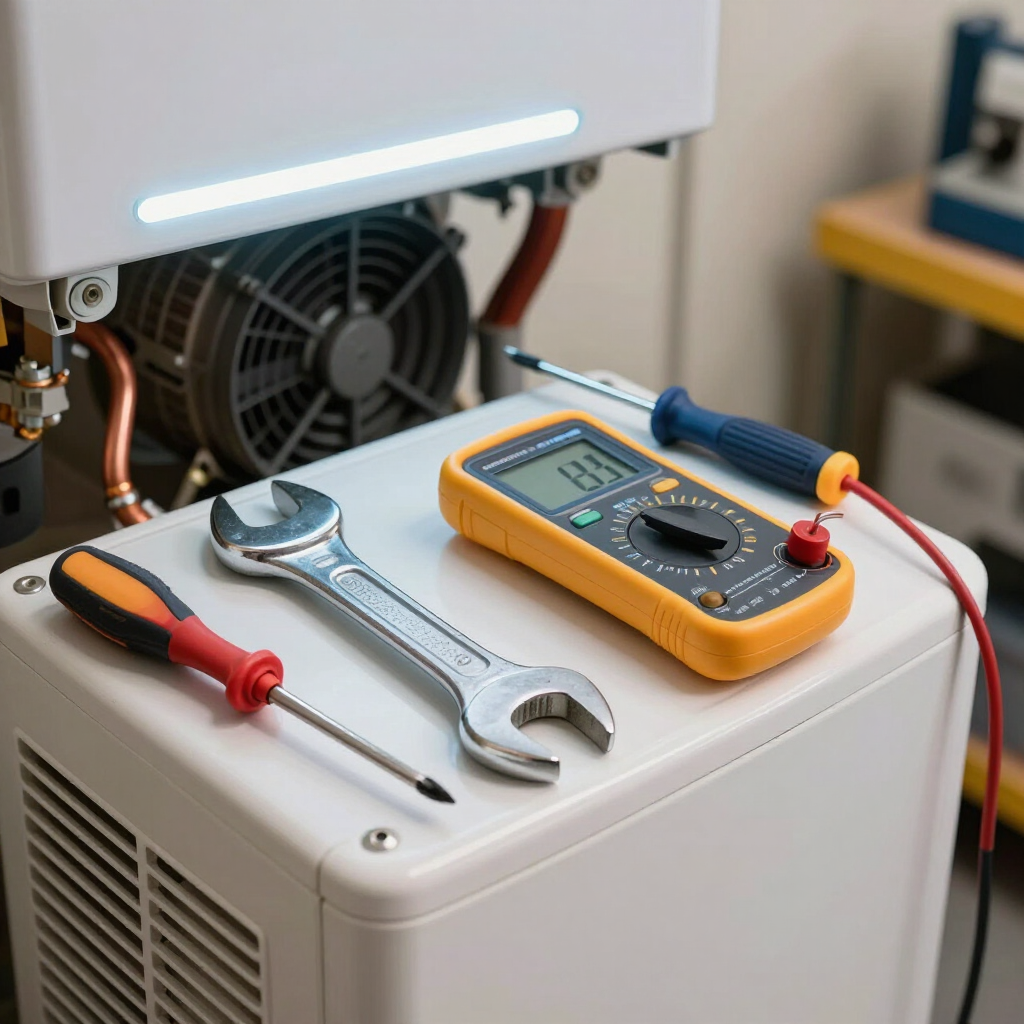
A professional technician performing a fall heating tune-up on a residential HVAC system.
September 7, 2026
Discover what a NATE-certified technician inspects during a fall heating tune-up. Learn about airflow, safety controls, and combustion checks for your home.
Modern smart thermostat on a living room wall during winter
August 24, 2026
Manage your heating costs this winter with professional tips on thermostat habits, heat pump efficiency, and airflow maintenance from Gallatin's HVAC experts.

A cozy winter home interior representing comfort and moisture control.
August 17, 2026
Discover how whole-home humidifiers from brands like Aprilaire and Honeywell improve winter comfort by addressing dry skin, static electricity, and cracking wood trim in Middle Tennessee homes.
A beautiful Middle Tennessee home during a crisp winter morning, representing residential comfort.
August 10, 2026
Compare heat pumps, gas furnaces, and dual fuel systems for Middle Tennessee winters. Learn which heating setup offers the best comfort and efficiency for your home without technical jargon.

Cozy bonus room above a garage with comfortable seating.
August 3, 2026
Is your room over the garage uncomfortable? Learn why bonus rooms stay hot or cold and explore solutions like ductless mini-splits and insulation fixes.
Modern carbon monoxide alarm mounted on a wall in a home hallway.
July 29, 2026
If your carbon monoxide alarm sounds, follow these life-saving steps. Learn why immediate evacuation is necessary and how to prevent future CO leaks with professional maintenance.
By Derryberry's Heat & Air • June 22, 2026
Discover commercial HVAC maintenance tips for Middle Tennessee businesses, from routine service and filter changes to airflow, air quality, and seasonal prep that reduce costly downtime.
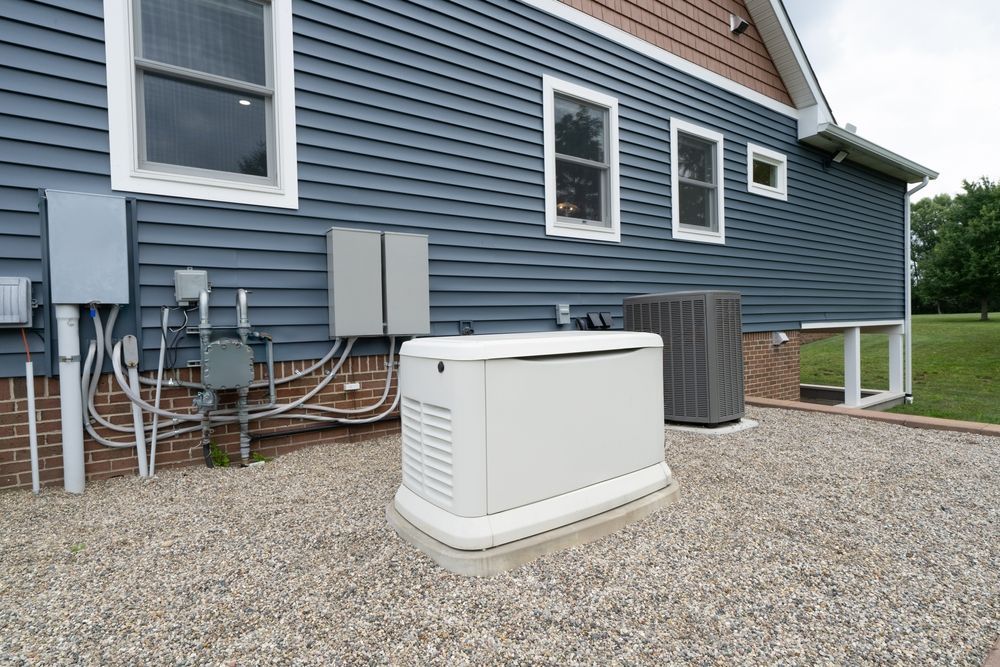
By Derryberry's Heat & Air • June 8, 2026
Learn why backup generators are worth considering in Middle Tennessee, from protecting comfort, food, and medical needs to keeping essential systems running during power outages.

Show More