How Standby Generator Installation Helps You Prepare
A standby generator installation connects a permanently mounted generator to your home’s electrical system through a transfer switch. When utility power fails, the system can supply selected circuits safely and automatically. Because installation involves fuel, electrical connections, permits, and inspections, it must be completed by licensed professionals—not as a DIY project.
Why consider a standby generator before winter ice storms?
Winter ice storms can damage trees, block roads, and interrupt utility service. A standby generator gives homeowners a reliable way to support important household systems when the grid is unavailable, including selected heating, refrigeration, lighting, medical equipment, and communications circuits.
For storm-prepared homeowners, the decision is less about reacting to an outage and more about planning before severe weather arrives. A properly installed system can reduce the disruption caused by a power failure while helping protect the home and the people inside it.
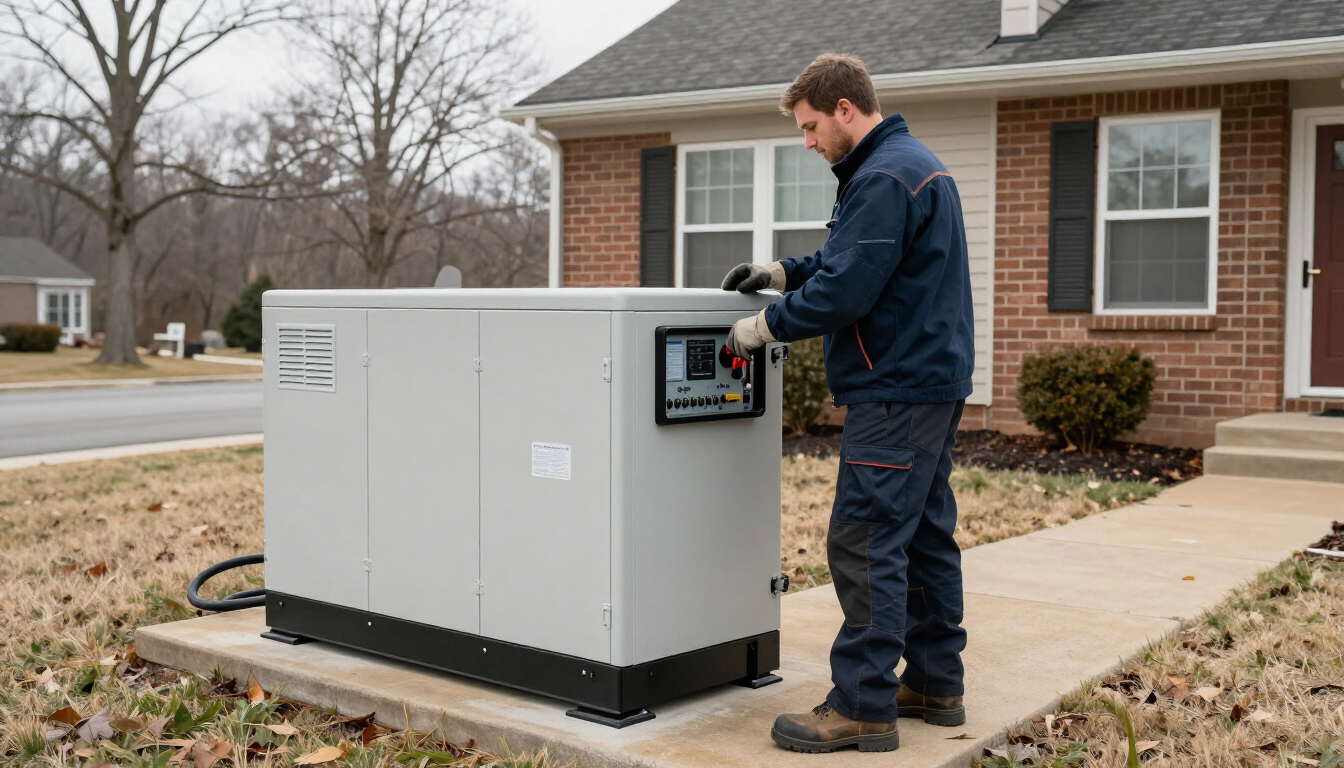
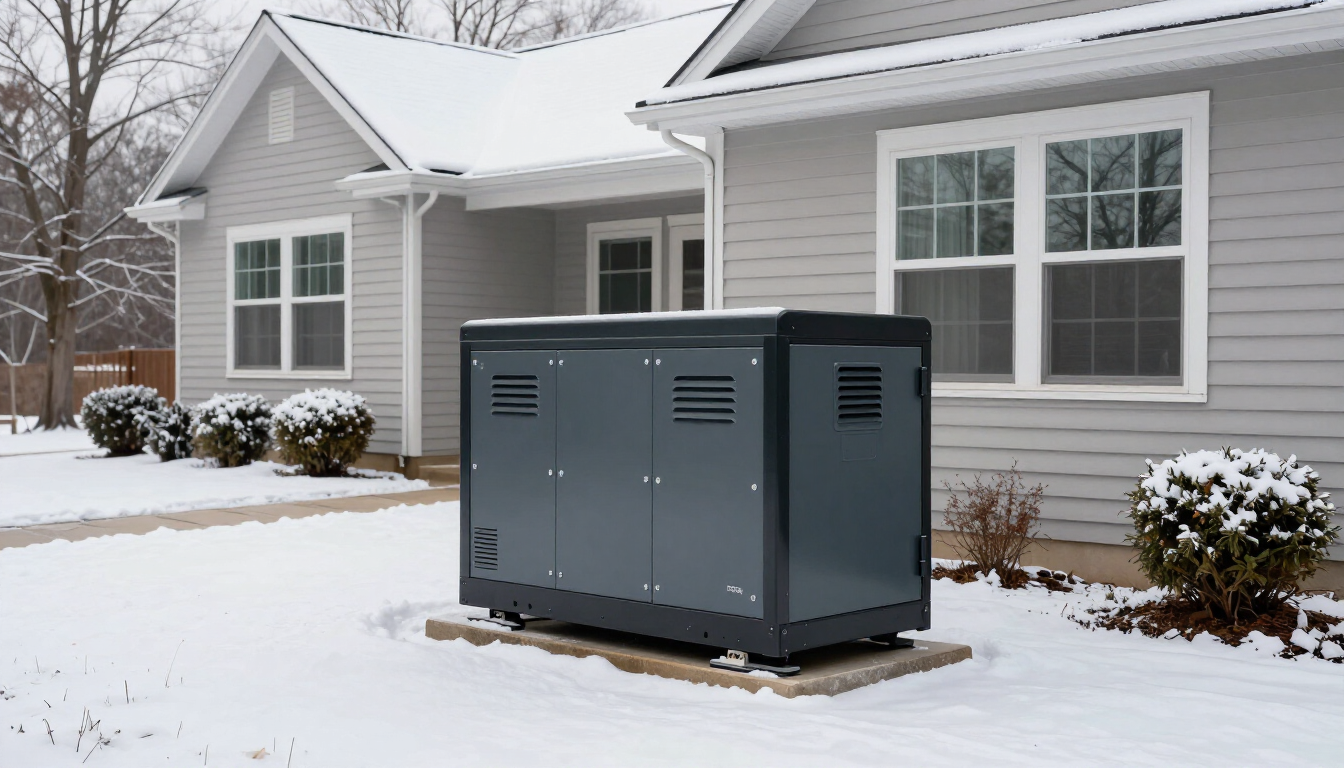
A standby generator is different from a portable unit. It is installed outside, connected to the home’s electrical panel through approved equipment, and designed to operate as part of the property’s electrical and fuel systems. The exact configuration depends on the home, available fuel source, electrical service, and the circuits the homeowner wants supported.
Homeowners in Gallatin, Hendersonville, and surrounding Middle Tennessee communities can start by speaking with a qualified professional through Derryberry’s contact page for a consultation.
What happens during standby generator installation?
Although every property is different, a licensed installation generally includes several coordinated steps. The purpose is to create a safe, code-compliant connection between the generator, the home, and the utility service.
1. Site assessment and system planning
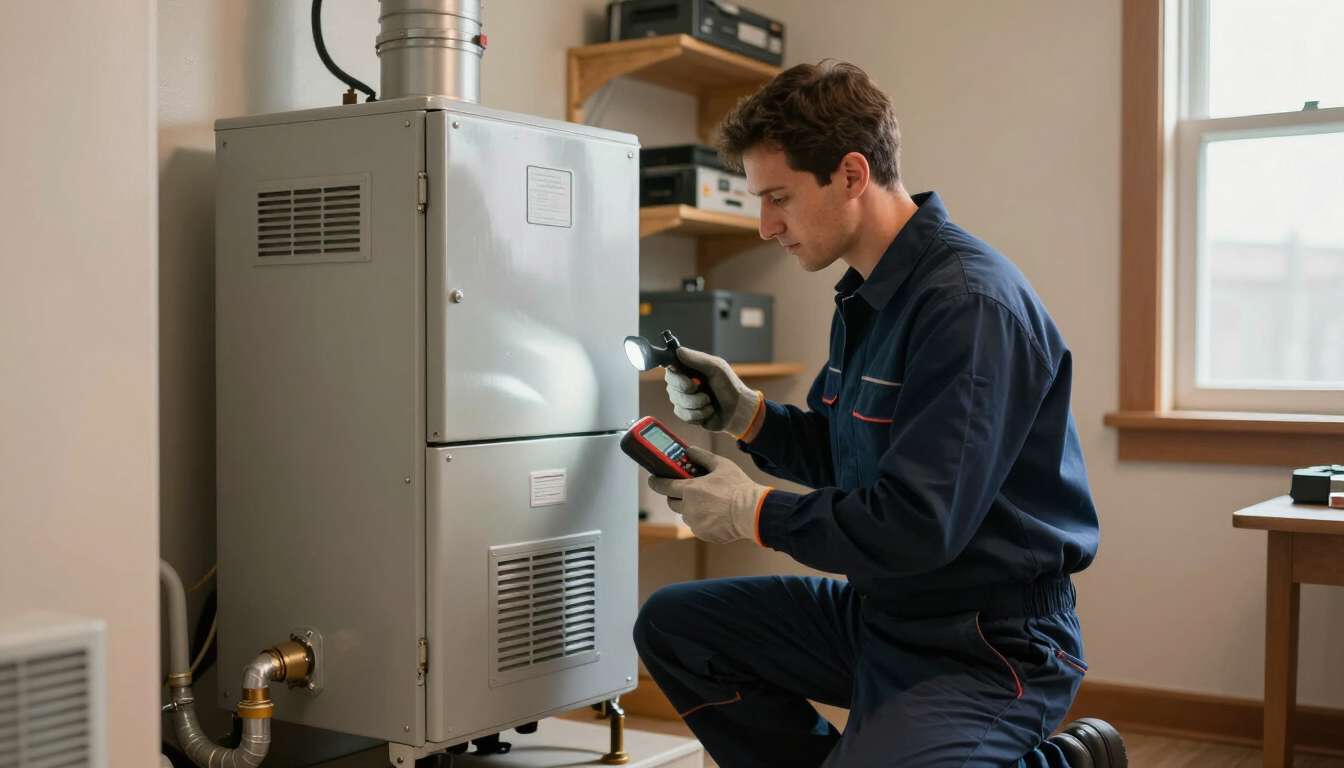
The process begins with an evaluation of the property. A technician reviews the location of the electrical service, the proposed generator area, fuel availability, access, ventilation, drainage, and clearance requirements.
The technician also discusses the homeowner’s priorities. Some households want support for essential circuits, while others may evaluate a broader portion of the home’s electrical load. The generator and transfer equipment must be selected to match the intended electrical demand and the home’s service configuration.
This assessment is also the right time to identify practical concerns, such as placement near doors or windows, possible snow and ice accumulation, maintenance access, and the route for electrical and fuel connections.
2. Transfer switch installation
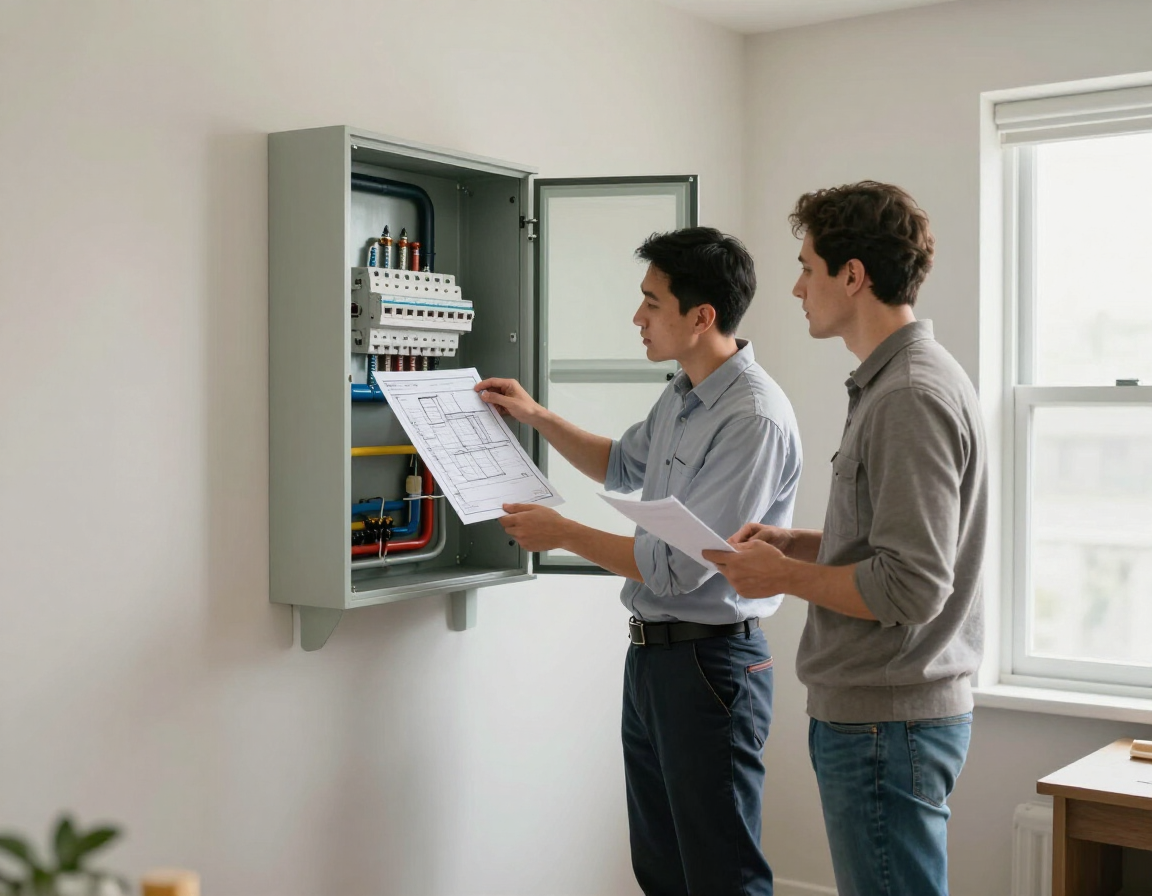
The transfer switch is a critical part of the system. It separates the home from utility power before connecting the generator to the selected circuits. This prevents the generator from sending electricity back into the utility lines and helps protect utility workers and the electrical system.
A professional determines where the transfer switch belongs and how it should connect with the existing service equipment. Depending on the home and generator design, the equipment may manage designated essential circuits or coordinate with a larger electrical service arrangement.
A transfer switch is not an optional accessory. Connecting a generator without the proper transfer equipment can create dangerous conditions and may violate electrical requirements.
3. Gas and electrical work
Standby generators require coordinated fuel and electrical work. Licensed professionals connect the generator to an approved fuel supply according to applicable codes and manufacturer requirements. They also install the required electrical conductors, disconnects, grounding, and related equipment.
Gas work must be handled by appropriately qualified professionals. Electrical work must be performed by professionals who understand residential service equipment and generator systems. Both systems need to work together correctly; an issue with either one can affect safety and performance.
Homeowners should never attempt to modify a gas line, connect a generator to a panel, or perform wiring based only on online instructions. Review Derryberry’s heating services and systems information to learn more about professional home comfort and equipment support.
4. Permits and inspection
Permitting requirements vary by location and project scope. A professional installer helps identify the permits needed for the generator, fuel work, and electrical work, then coordinates the required documentation and inspections.
Inspection confirms that the installation meets applicable safety and code requirements. It may include review of equipment placement, clearances, connections, grounding, transfer operation, and other project details.
Permits and inspections are not merely administrative tasks. They provide an important verification step and help ensure the installation is appropriate for the property.
How is a standby generator tested after installation?
After the equipment is installed, the technician reviews the system operation and confirms that the generator and transfer switch communicate correctly. The homeowner should receive an explanation of the controls, safety features, maintenance expectations, and any manufacturer documentation.
This walkthrough is an opportunity to ask questions, including:
- Which circuits are connected to backup power?
- Where are the generator shutoff and service controls?
- What warning indicators should the homeowner understand?
- Who should be contacted for service or troubleshooting?
- What maintenance recommendations apply to the specific system?
A professional may also review how the system responds when utility power is interrupted during an approved test. Homeowners should not improvise tests, disconnect electrical equipment, or alter settings without guidance.
Critical generator safety rules
Generator safety begins with correct installation and continues with careful operation. Keep these rules in mind:
- Never backfeed a generator through an outlet or dryer plug. This can energize utility lines and seriously injure or kill workers or others nearby.
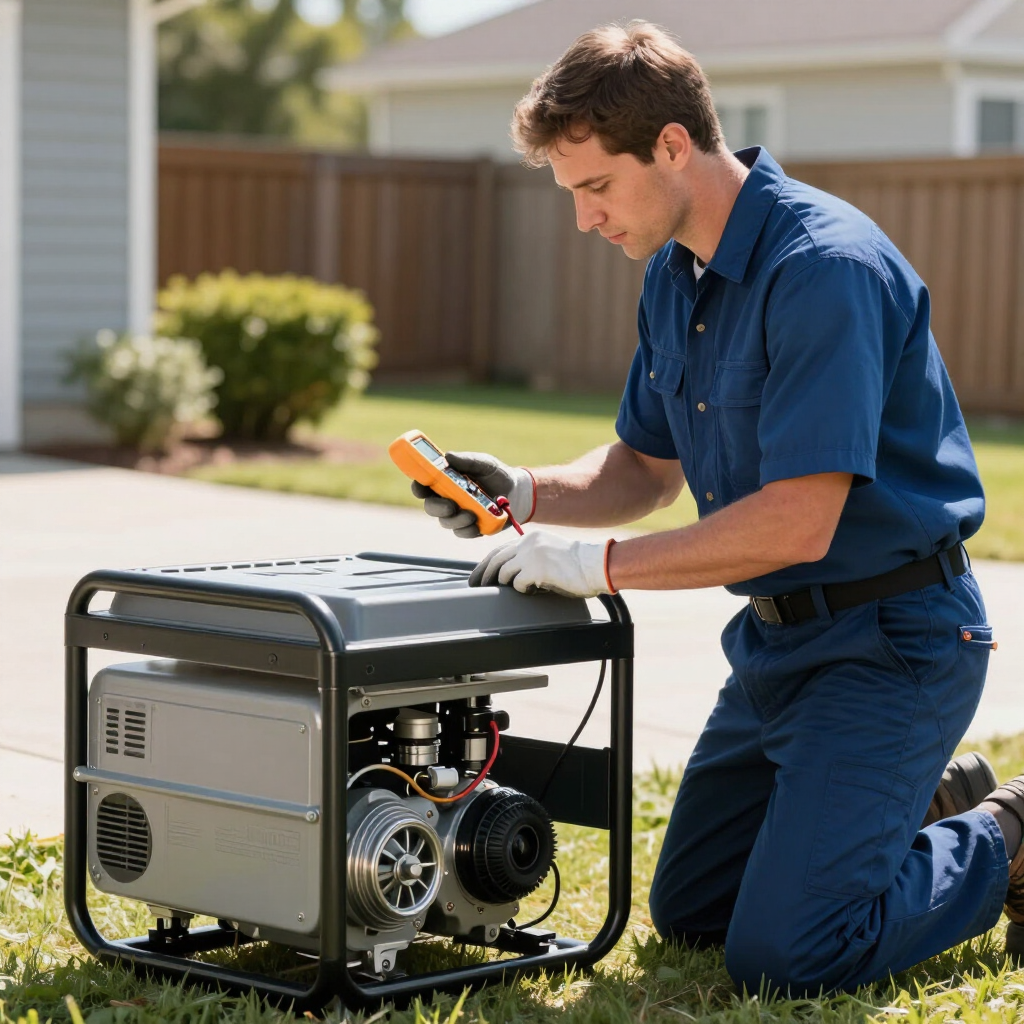
- Never run a portable generator indoors, in a garage, or near windows. Carbon monoxide can build up quickly, even when doors or windows appear open.
- Keep generators outdoors and follow required clearances from the home, doors, windows, and vents.
- Do not connect a generator to household wiring unless the system includes properly installed transfer equipment.
- Keep children and unqualified individuals away from operating equipment and electrical connections.
Portable generators and standby generators have different installation and operating considerations. If you use a portable unit, follow the manufacturer’s instructions and current safety guidance. If you want an automatic, permanently connected system, consult a licensed installer.
What should homeowners ask a generator installer?
Before approving a project, ask the installer to explain the proposed design in clear terms. Useful questions include:
- Is the company licensed and experienced with standby generator installations?
- Which circuits will the system support?
- Where will the generator and transfer switch be located?
- What fuel and electrical work is included?
- Which permits and inspections apply?
- How will the installation protect against unsafe backfeed?
- What documentation and maintenance guidance will be provided?
A reputable contractor should be willing to discuss site conditions, equipment selection, safety requirements, and the limits of the proposed system. Be cautious of anyone who suggests using a dryer plug, household outlet, improvised wiring, or an indoor location for a portable generator.
Licensed installation is the safer choice
A standby generator involves more than placing equipment outside the house. The installation must account for electrical loads, transfer equipment, fuel connections, clearances, permits, inspections, and safe operation. Each part should be planned as one complete system.
Derryberry’s Heat & Air is a family-owned company serving Gallatin, Hendersonville, and surrounding Middle Tennessee areas. Our NATE-certified technicians bring ongoing training and decades of experience to residential comfort and equipment services. Visit the Services page to explore support options, or contact us to discuss a standby generator consultation.
Key takeaways for winter storm preparation
A standby generator can help a home remain more functional during an ice-storm outage, but only when it is correctly designed and installed. Start with a professional site assessment, then review the transfer switch, gas and electrical work, permits, and inspection requirements. Never backfeed through an outlet or dryer plug, and never operate a portable generator indoors, in a garage, or near windows. The next step is to contact a licensed professional, explain which household systems matter most, and evaluate a safe installation plan for your property.