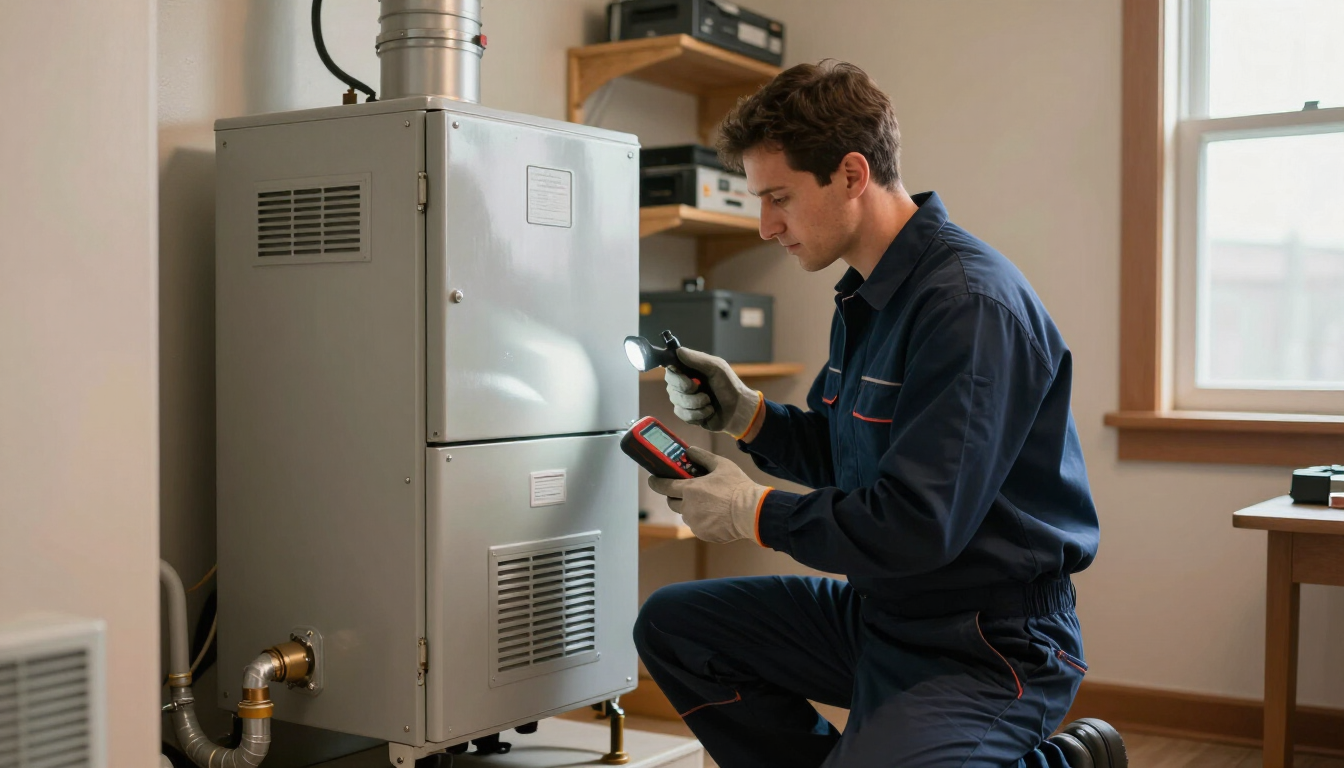
Choosing the Best HVAC System for Middle Tennessee Winters
Choosing the best heating system for Middle Tennessee depends on your preference for fuel type and comfort levels. Heat pumps offer efficient electric heating, gas furnaces provide high-intensity warmth for deep freezes, and dual fuel systems combine both, switching automatically between electricity and gas based on the outdoor temperature.
The Middle Tennessee Winter Climate Challenge
Living in areas like Gallatin or Hendersonville, you know that our winters are unpredictable. We might experience a mild fifty-degree morning followed by a sudden drop into the teens by midnight. This variability puts a unique strain on your home's HVAC systems , making the choice of a replacement unit more than just a financial decision—it is a choice about your daily comfort and how you want your home to feel when the frost settles on the bluegrass.
When it comes time to replace an aging unit, many homeowners find themselves at a crossroads. Should you stick with what you have, or is there a better way to handle the humidity of our summers and the biting chill of our winters? Understanding the fundamental differences between these systems is the first step toward a more comfortable home. At Derryberry's Heat & Air, we have helped families navigate these choices since 1986, focusing on the specific needs of Middle Tennessee households.
What is the difference between a heat pump and a gas furnace?
The primary difference between a heat pump and a gas furnace lies in how they create heat. A gas furnace generates heat by burning fuel—usually natural gas or propane—to create a flame that warms a heat exchanger. Air from your home is then blown across this hot exchanger and distributed through your ducts. This process creates very hot air, which many people find comforting during a true Tennessee cold snap.
In contrast, a heat pump does not actually "create" heat in the traditional sense. Instead, it moves heat from one place to another. Even in cold winter air, there is thermal energy available. The heat pump uses refrigerant to extract that heat from the outside and bring it indoors. Because it is moving heat rather than burning fuel to create it, the process is incredibly efficient for our region’s typically moderate winter days.
Here are the main components of these systems:
- Gas Furnace: Uses a burner, heat exchanger, and venting system.
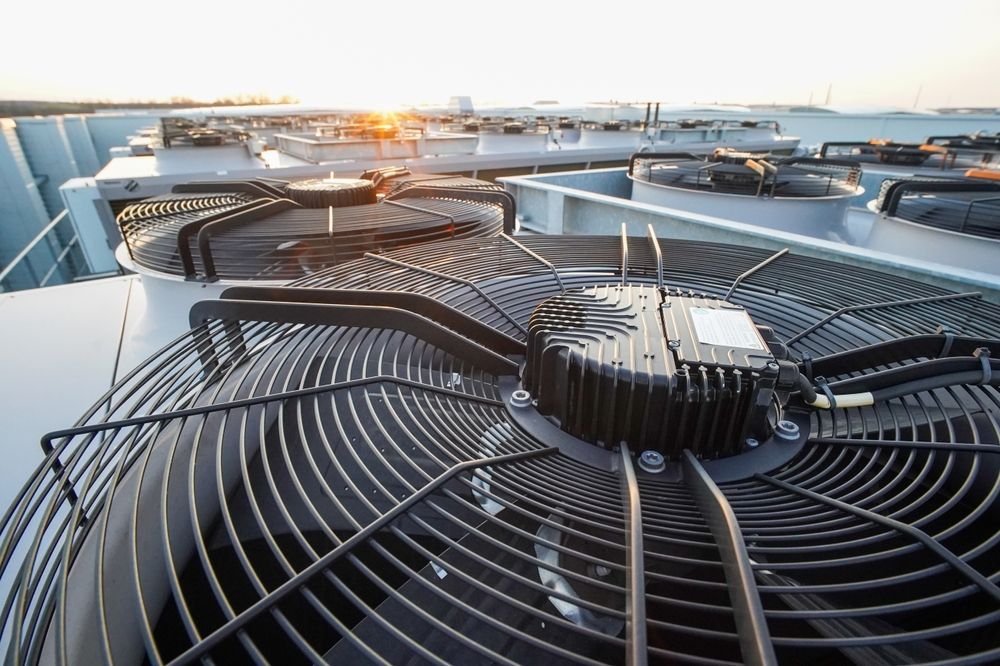
- Heat Pump: Uses an outdoor compressor and an indoor air handler.
- Thermostat: Controls the timing and switching of heat cycles.
- Ductwork: The pathways that deliver air to each room.
- Refrigerant Lines: Essential for heat pumps to move thermal energy.
Understanding Heat Pump Performance in Tennessee
Modern heat pumps are designed to handle the majority of Middle Tennessee's winter weather. However, their behavior changes as the temperature drops. When the thermometer dips toward freezing, the heat pump has to work harder to extract enough warmth from the outside air. To compensate, most heat pumps are equipped with "backup" or "emergency" heat—usually electric resistance coils.
This backup heat ensures you stay warm even when the primary heat pump cycle is struggling. It is important to note that while the air coming from a heat pump feels warm, it often doesn't feel as "hot" as the air from a gas furnace. This is simply due to the physics of the system. A heat pump typically delivers air that is a few degrees above your body temperature, whereas a gas furnace might deliver air that is significantly hotter.
Why do some homeowners prefer a gas furnace for winter?
For many in our community, the reliability of gas is a major selling point. Gas furnaces are known for their ability to provide consistent, high-intensity heat regardless of how low the outdoor temperature falls. They do not rely on the ambient air temperature to function, making them a robust choice for those who are particularly sensitive to the cold.
Another consideration is the source of energy. If your home is already set up for natural gas, a furnace is a natural fit for heating services . In Middle Tennessee, gas is often a preferred fuel source for those who want a quick recovery time after a thermostat setback. If you turn your heat down at night, a gas furnace will typically bring the home back up to temperature faster than a standard heat pump might.
Key benefits of choosing a gas furnace include:
- Intense Heat: Higher air discharge temperatures for a "cozier" feel.
- Independence: Unaffected by outdoor temperature drops.
- Simplicity: Fewer moving parts in the outdoor unit during winter.
- Longevity: Burners and heat exchangers are built for durability.
- Fast Recovery: Quickly raises the indoor temperature when needed.
How does a dual fuel system work in Gallatin?
A dual fuel system, often called a hybrid heat system, is essentially the "best of both worlds" for Middle Tennessee. It pairs an electric heat pump with a gas furnace. In this configuration, the heat pump handles the heating duties during the cool-but-not-freezing days of late fall and early spring. It is incredibly efficient during these periods, providing steady comfort without using a drop of gas.
As the temperature drops below a certain threshold—usually determined during your professional installation—the system automatically switches over to the gas furnace. This transition is seamless for the homeowner. When it is truly freezing outside, the gas furnace takes over, providing that intense warmth and reliability you need. This setup optimizes both comfort and fuel usage based on the actual weather conditions outside your door.
Key Considerations for Your System Replacement
When deciding which system is right for your home, you must look beyond just the type of fuel. Every home is a unique environment with its own set of challenges. Factors such as insulation quality, window placement, and even the direction your home faces can influence which system will perform best. This is why a professional assessment is so vital.
At Derryberry's Heat & Air, we emphasize the importance of a detailed evaluation. Choosing a system that is too large or too small can lead to shortened equipment life and inconsistent comfort levels. We look at the total picture of your home’s thermal envelope to recommend a solution that fits your specific lifestyle and comfort preferences.
Important factors to discuss with your technician include:
- Existing Infrastructure: Do you have gas lines or adequate electrical capacity?
- Comfort Preferences: Do you prefer the feel of very hot air or steady warmth?
- Home Layout: Are there rooms that are notoriously hard to heat?
- Future Plans: How long do you plan to stay in your current home?
- Local Climate: How your specific neighborhood handles wind and temperature shifts.
We also understand that a new system is a significant investment. To help make the best comfort solutions accessible, we offer Financing options that can fit a variety of budgets. This allows you to choose the system that truly meets your needs rather than settling for a less effective alternative.
Finding the Right Fit for Your Home
The journey to a new heating system should start with understanding your options, but it must end with a precise fit for your property. Whether you choose the electric efficiency of a heat pump, the raw power of a gas furnace, or the versatile intelligence of a dual fuel system, the goal is the same: a warm, safe, and comfortable home for your family.
Middle Tennessee winters are beautiful, but they demand a reliable heating solution. Our NATE-certified technicians are trained to look at the nuances of your home’s airflow and heat loss to ensure your replacement system is sized perfectly. We don't believe in a one-size-fits-all approach; we believe in finding the right solution for your specific address in Gallatin, Hendersonville, or the surrounding areas.
Key Takeaways for Your HVAC Decision:
- Heat Pumps are excellent for efficiency in moderate cold but rely on backup heat in deep freezes.
- Gas Furnaces provide the warmest air and are unaffected by extreme outdoor cold.
- Dual Fuel Systems offer a hybrid approach, using the best fuel source for the current temperature.
- Professional Sizing is non-negotiable for system longevity and consistent comfort.
- Incentives and Eligibility for various systems can change, so it’s best to verify current options during your consultation.
If you are ready to explore which system is right for your home, the best next step is a professional assessment. Contact us today to schedule an in-home load calculation. We will help you compare these systems in the context of your own living space, ensuring you make a decision that keeps you comfortable for many winters to come.