

How to Choose a Whole-Home Humidifier

Samantha Boylls • October 26, 2026

Share this article

A whole-home humidifier adds moisture to the air throughout your house by working with your furnace or heat pump. When winter heating leaves rooms feeling dry, the system can help reduce static shocks, protect wood features from excessive dryness, and make indoor comfort feel more balanced without relying on portable units.

What Is a Whole-Home Humidifier?

A whole-home humidifier is an HVAC accessory installed near your furnace or air handler. Instead of treating one room at a time, it connects to the home’s ductwork and distributes moisture through the same air-moving system that provides heating.

The system typically includes:

  • A water supply connected to the humidifier
  • A water panel or evaporative surface
  • A bypass or powered fan that moves air across the panel
  • A drain line for excess water
  • A control that determines when the system operates

When the heating system runs, warm air passes through the humidifier. Water is introduced to the panel, and the moving air carries moisture into the ductwork before it reaches the living spaces. The result is a more centralized approach to winter comfort than placing several small humidifiers around the house.

A technician selects the equipment and installation method based on the HVAC system, duct layout, available water and drainage connections, and the home’s construction.

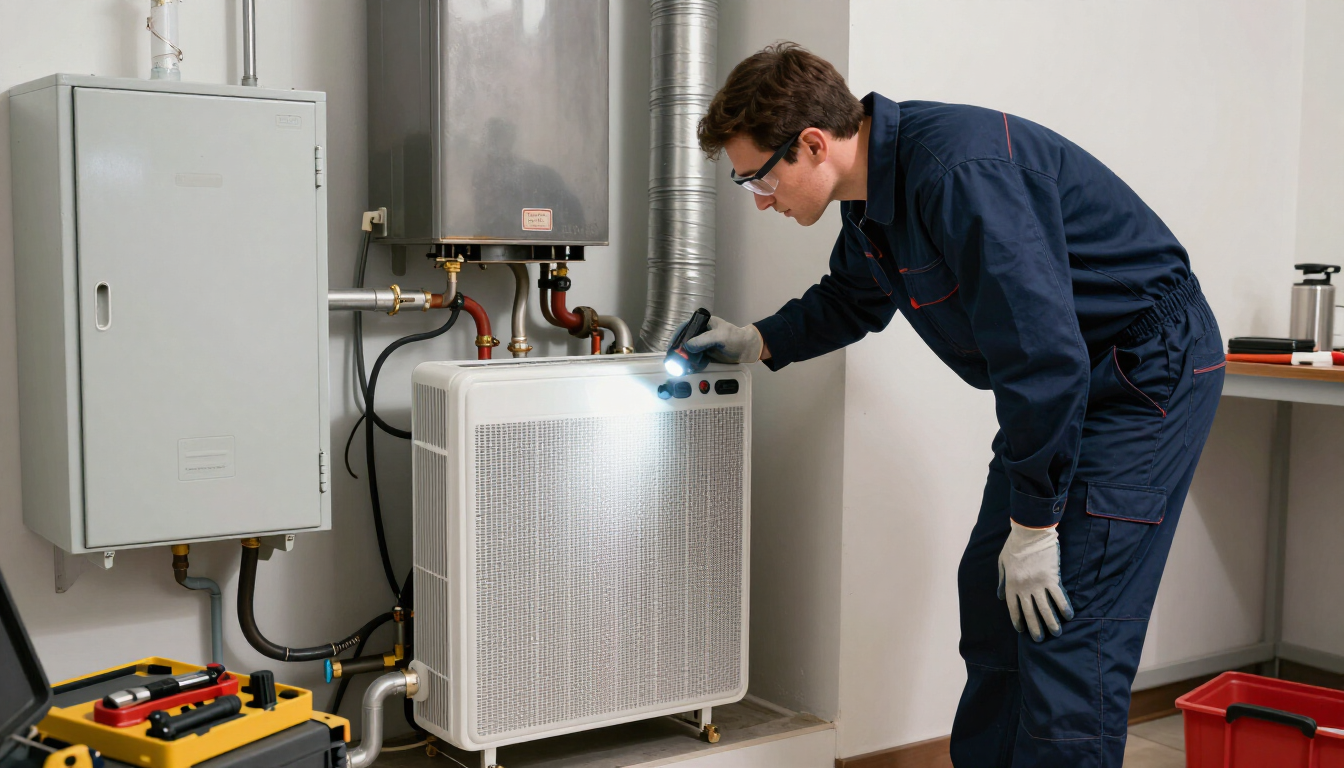
Technician inspecting a whole-home humidifier beside a furnace

How Does a Whole-Home Humidifier Work With a Furnace or Heat Pump?

A whole-home humidifier works as part of the home’s existing heating and air distribution system. Its control senses when the indoor air needs additional moisture and signals the humidifier to operate when conditions allow.

With a furnace

A furnace-based humidifier is commonly installed on the supply or return side of the ductwork. During a heating cycle, air moves through the equipment, picks up moisture, and continues through the supply ducts. Depending on the model, airflow may pass naturally across a water panel or use a built-in fan to move air through the unit.

With a heat pump

A heat pump can also be paired with a whole-home humidifier. Because heat pumps often provide longer, gentler heating cycles, the installation must be matched carefully to the system’s airflow and controls. The technician checks how the humidifier will communicate with the heat pump and whether the ductwork can support proper distribution.

In either application, the humidifier is designed to operate with the HVAC system rather than run as a separate appliance in each room. That can make operation more convenient and help deliver a consistent comfort experience across the home.

Why Does Winter Heating Make a Home Feel Dry?

Cold outdoor air naturally contains less moisture than warm air. Once that outdoor air enters the home and is heated, its relative moisture level can feel lower. The effect may become more noticeable when the furnace or heat pump runs frequently during a Middle Tennessee cold spell.

Common comfort clues include:

  • Static shocks when touching handles, fixtures or other people
  • Dry-feeling air in bedrooms, living rooms or hallways
  • Wood floors or trim showing small seasonal gaps
  • Furniture, instruments or other wood items reacting to winter conditions
  • Portable humidifiers that require frequent refilling

These signs do not automatically mean a whole-home humidifier is the right solution. They do suggest that a professional evaluation may be useful, especially when the issue affects multiple rooms or returns each heating season.

What Does a Technician Evaluate First?

A qualified HVAC technician should evaluate the home and heating equipment before recommending a model. The goal is to select a system that fits the installation, operates properly and can be maintained without unnecessary complications.

The first evaluation may include:

  1. Heating system type and capacity — The technician identifies whether the home uses a furnace, heat pump or another configuration and reviews how the equipment moves air.
  2. Ductwork layout — Available space, supply and return paths, airflow direction and accessibility all influence placement.
  3. Water access — The installer confirms whether a suitable water connection is available near the equipment.
  4. Drainage — Some models require a drain route, so the technician checks how condensate or excess water can leave the unit.
  5. Electrical and control compatibility — The humidifier must work with the HVAC controls and available power.

The technician may also look for duct leaks, blocked filters, unusual airflow and other conditions that could affect comfort. Correcting an installation issue may be more important than adding equipment immediately.

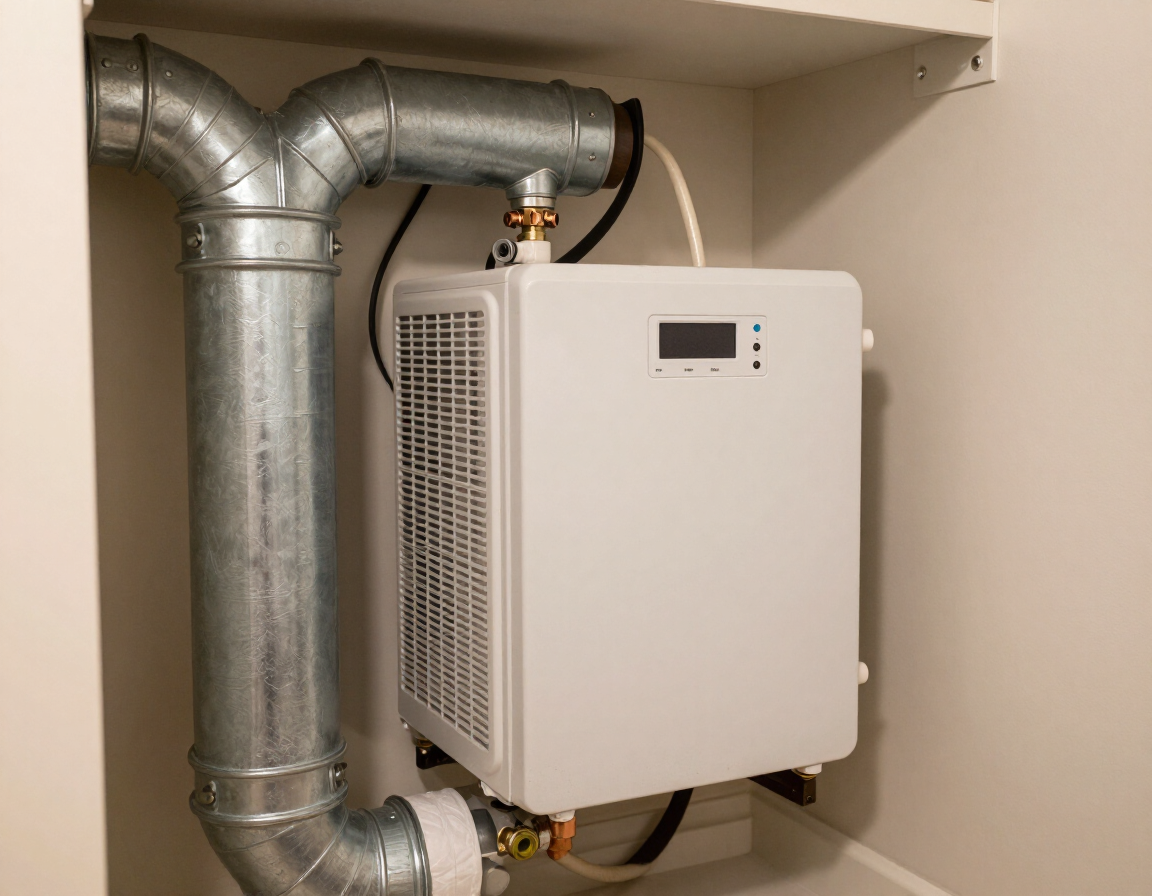
Whole-home humidifier components and ductwork in a clean utility space

Which Whole-Home Humidifier Is Right for a Home?

The best whole-home humidifier depends on the HVAC system, home size, duct design and available installation space. A technician may compare several types rather than recommend one product for every home.

Bypass humidifiers

A bypass unit uses the HVAC system’s airflow to move air across a water panel. It is often a practical option where the ductwork and installation space support the required connection. Bypass models may use less electrical equipment, but proper airflow and placement remain important.

Fan-powered humidifiers

A fan-powered model includes its own small fan to move air across the water panel. This can provide more flexibility in some installations, though it requires compatible power and controls.

Steam humidifiers

A steam unit creates moisture using heated water and introduces it into the ductwork. This design can suit certain homes or HVAC configurations, but it generally requires more specialized electrical and plumbing considerations.

A professional should compare equipment based on compatibility, service access, operating requirements and long-term upkeep—not simply the label or initial price.

How Can a Whole-Home Humidifier Improve Winter Comfort?

When properly selected and installed, a whole-home humidifier can help address dry-air discomfort across multiple rooms. It may make the air feel less parched, reduce annoying static shocks and support a more comfortable winter environment for occupants and wood features.

It also offers practical advantages over portable units:

  • Moisture is distributed through the home’s ductwork
  • There is less need to carry and refill multiple water tanks
  • The system can operate automatically with the HVAC equipment
  • One installation can serve several connected living areas
  • Maintenance is handled as part of a planned HVAC routine

A humidifier is not a substitute for sealing duct leaks, replacing a loaded filter or correcting a heating-system problem. Those items should be evaluated together so the equipment supports the home rather than masking another comfort issue.

Installation and Maintenance Considerations

Installation should be completed by an HVAC professional familiar with the home’s equipment and ductwork. Improper placement, poor drainage or incompatible controls can reduce performance and create avoidable service needs.

After installation, maintenance commonly includes inspecting the water panel, checking the drain, confirming water flow and reviewing the control operation. Some components are replaced seasonally or according to the manufacturer’s instructions. A technician can explain what the homeowner should monitor and what belongs on a professional maintenance visit.

It is also helpful to keep the area around the furnace or air handler accessible. Clear access makes inspections easier and allows a technician to identify leaks, mineral buildup or worn components before they interrupt operation.

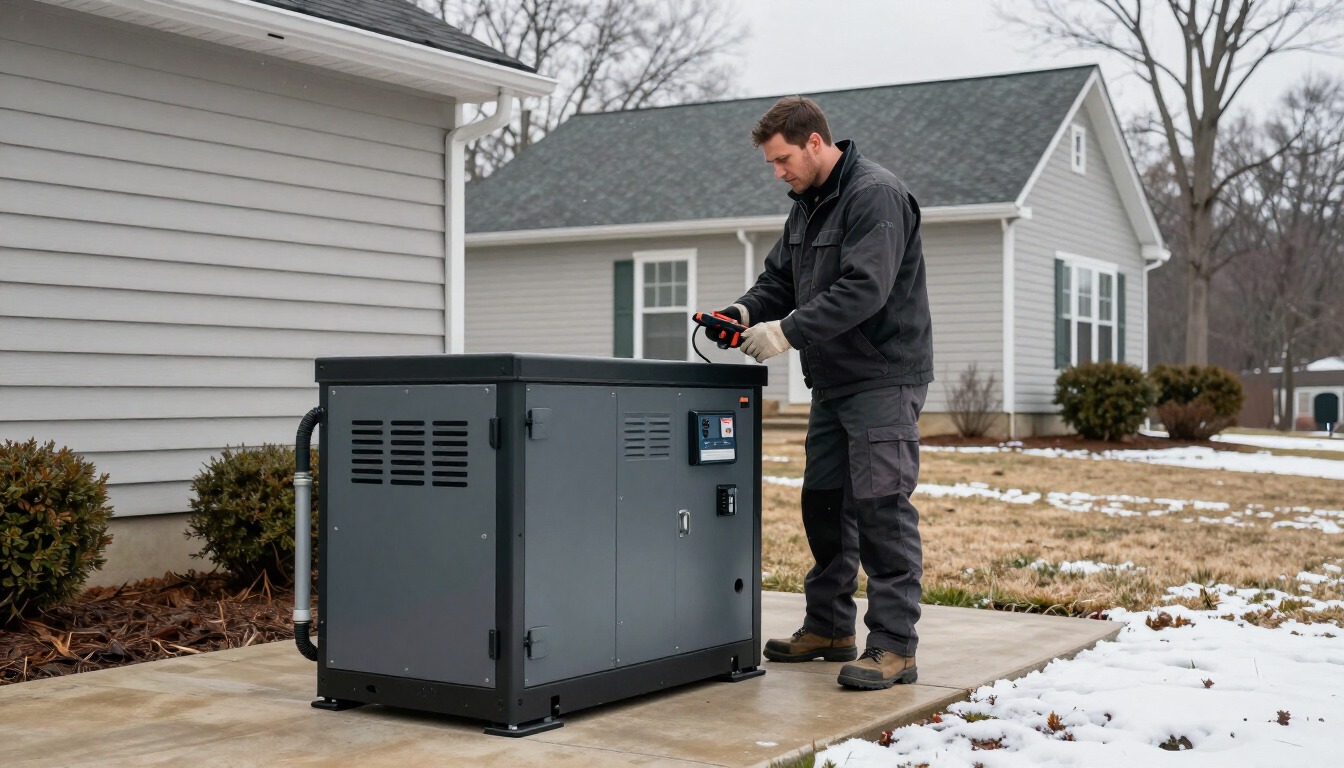
Homeowner reviewing HVAC comfort equipment with a technician

When Should You Schedule an Evaluation?

Consider scheduling an evaluation when dry winter comfort affects several rooms, static shocks are frequent, wood features show seasonal changes or portable humidifiers are difficult to manage. An evaluation is also worthwhile before replacing HVAC equipment, because humidifier compatibility can be considered during the larger project.

Derryberry’s Heat & Air serves Gallatin, Hendersonville and surrounding Middle Tennessee communities with experienced HVAC service. Learn more about available indoor air quality solutions , explore related heating and air conditioning services , or contact the team to discuss your home.

Key Takeaways

A whole-home humidifier works with a furnace or heat pump to distribute moisture through the ductwork, making it a centralized option for homes that feel dry during winter. The right system depends on HVAC compatibility, ductwork, water access, drainage, controls and service access. If static shocks, dry-feeling rooms or wood-floor gaps return each heating season, schedule an evaluation rather than choosing equipment by size or price alone. Review Derryberry’s indoor air quality page , then contact the team for a professional recommendation tailored to your home.

Recent Posts

Standby generator installation for winter storm preparation
By Samantha Boylls • October 19, 2026
Learn how licensed standby generator installation works—from site assessment and transfer switch planning to gas, electrical, permits, and inspection—before winter ice storms.
Heat pump auxiliary heat guide for Middle Tennessee homeowners
By Samantha Boylls • October 12, 2026
Learn why heat pump auxiliary and emergency heat run during Middle Tennessee cold snaps, which thermostat habits trigger them, and what a technician checks.
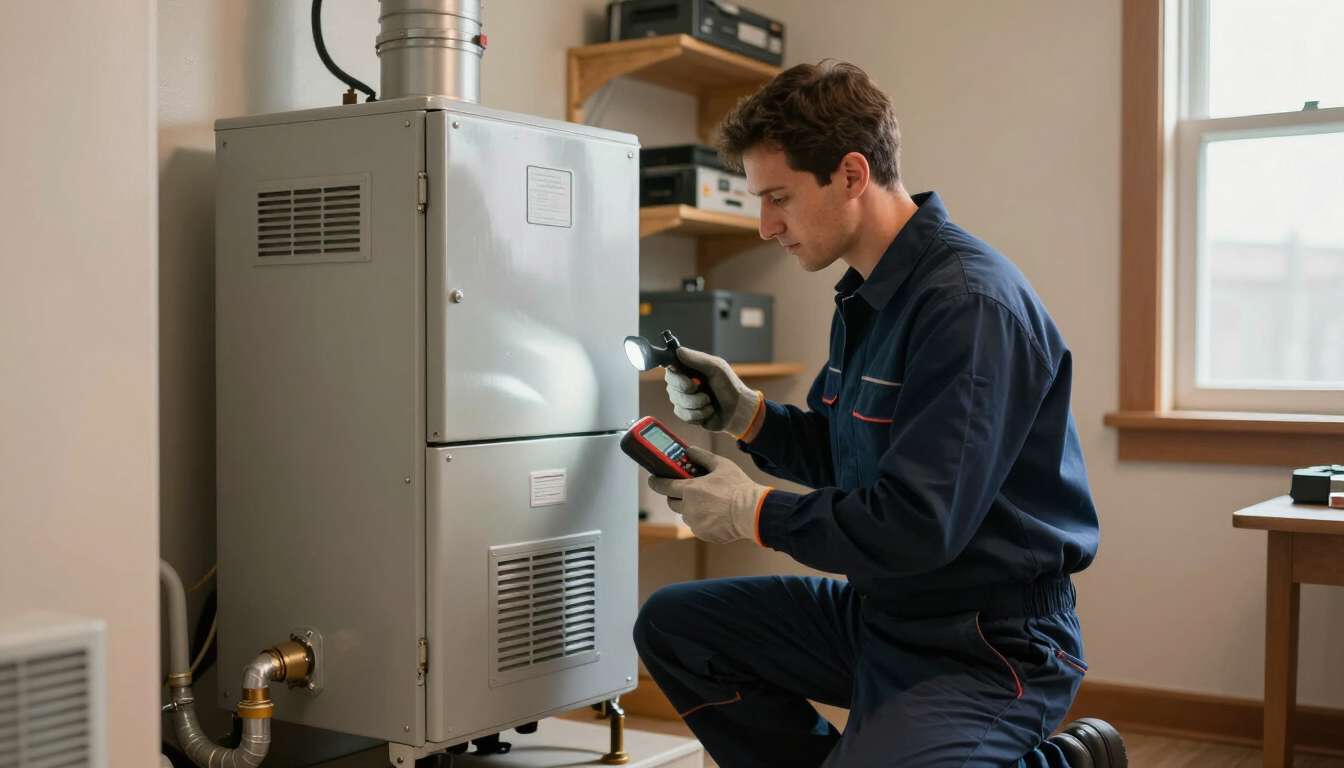
Technician performing a fall furnace tune-up
By Samantha Boylls • October 5, 2026
Learn what a fall furnace tune-up includes, what technicians inspect, and which safe heating checks homeowners can do before cold weather in Gallatin, TN.

A modern home interior at night during a snowstorm.
September 28, 2026
Facing a no heat emergency on the coldest night? Follow our calm, safe checklist for homeowners in Gallatin and Middle Tennessee to restore warmth or stay safe.

A cozy energy-efficient home in Middle Tennessee.
September 21, 2026
Discover how the TVA Home Uplift program transforms homes in Middle Tennessee. Learn how Derryberry’s Heat & Air participates in this community energy initiative.
A professional standby generator installation at a modern residence.
September 14, 2026
Learn the professional steps for standby generator installation to keep your home powered safely during Tennessee's spring storm season. Understand permits, safety, and why expert help is vital.
A professional technician performing a fall heating tune-up on a residential HVAC system.
September 7, 2026
Discover what a NATE-certified technician inspects during a fall heating tune-up. Learn about airflow, safety controls, and combustion checks for your home.

Modern smart thermostat on a living room wall during winter
August 24, 2026
Manage your heating costs this winter with professional tips on thermostat habits, heat pump efficiency, and airflow maintenance from Gallatin's HVAC experts.

A cozy winter home interior representing comfort and moisture control.
August 17, 2026
Discover how whole-home humidifiers from brands like Aprilaire and Honeywell improve winter comfort by addressing dry skin, static electricity, and cracking wood trim in Middle Tennessee homes.

A beautiful Middle Tennessee home during a crisp winter morning, representing residential comfort.
August 10, 2026
Compare heat pumps, gas furnaces, and dual fuel systems for Middle Tennessee winters. Learn which heating setup offers the best comfort and efficiency for your home without technical jargon.

Show More