
How to Plan a Standby Generator Installation in 2026

September 14, 2026

Share this article

A standby generator installation is a professional process where a permanent backup power source is integrated into your home's electrical system via a transfer switch. This ensures automatic power restoration during outages, requiring licensed technicians, building permits, and safety inspections to protect your household and the local utility grid.

Why is standby generator installation essential before spring?

As the winter chill fades in Middle Tennessee, homeowners in Gallatin and Hendersonville know that spring brings more than just blooming flowers. It brings the volatile weather patterns typical of our region, including heavy thunderstorms and the potential for high winds. Preparing for these events requires more than just checking your flashlight batteries; it involves securing a reliable source of power. A professional standby generator installation provides a seamless transition when the local grid fails, ensuring that your HVAC system, refrigeration, and medical devices continue to operate without interruption.

Waiting until the first major storm hits is a common mistake. By scheduling your installation during the early months of the year, you ensure that your home is fully protected before the peak of the storm season. This proactive approach allows for careful planning, permitting, and scheduling with NATE-certified technicians who understand the specific needs of Tennessee homes. When the clouds darken and the wind picks up, having the peace of mind that your home will remain a safe, powered sanctuary is invaluable. A standby system is not just a convenience; it is a critical component of a comprehensive home safety plan.

Critical Safety Rules for Home Backup Power

When considering backup power, safety must be the absolute priority. Many homeowners start with portable units, but these carry significant risks if not managed with extreme caution. The most critical rule is simple: never run a portable generator indoors, in a garage, or even near open windows, doors, or vents. These units produce carbon monoxide, an odorless, colorless gas that can be fatal in minutes. A standby generator installation eliminates this risk by utilizing a permanently fixed outdoor unit designed to vent exhaust safely away from your living space.

Another dangerous practice is "backfeeding," which occurs when someone attempts to power their home by plugging a generator into a standard wall outlet or a dryer plug. This is incredibly hazardous. It can send electricity back into the utility lines, potentially electrocuting utility workers trying to restore power or causing an electrical fire in your own home. A professional standby setup uses a dedicated transfer switch to prevent this entirely. Here are five essential safety takeaways for every homeowner:

  • Never operate portable generators in enclosed or semi-enclosed spaces.
  • Keep generators at least 20 feet away from any home openings.
  • Avoid backfeeding power through home outlets or appliance plugs.
  • Always use heavy-duty, outdoor-rated extension cords for portable units.
  • Install carbon monoxide detectors on every level of your home.
Professional Standby Generator Installation

What does the installation process actually involve?

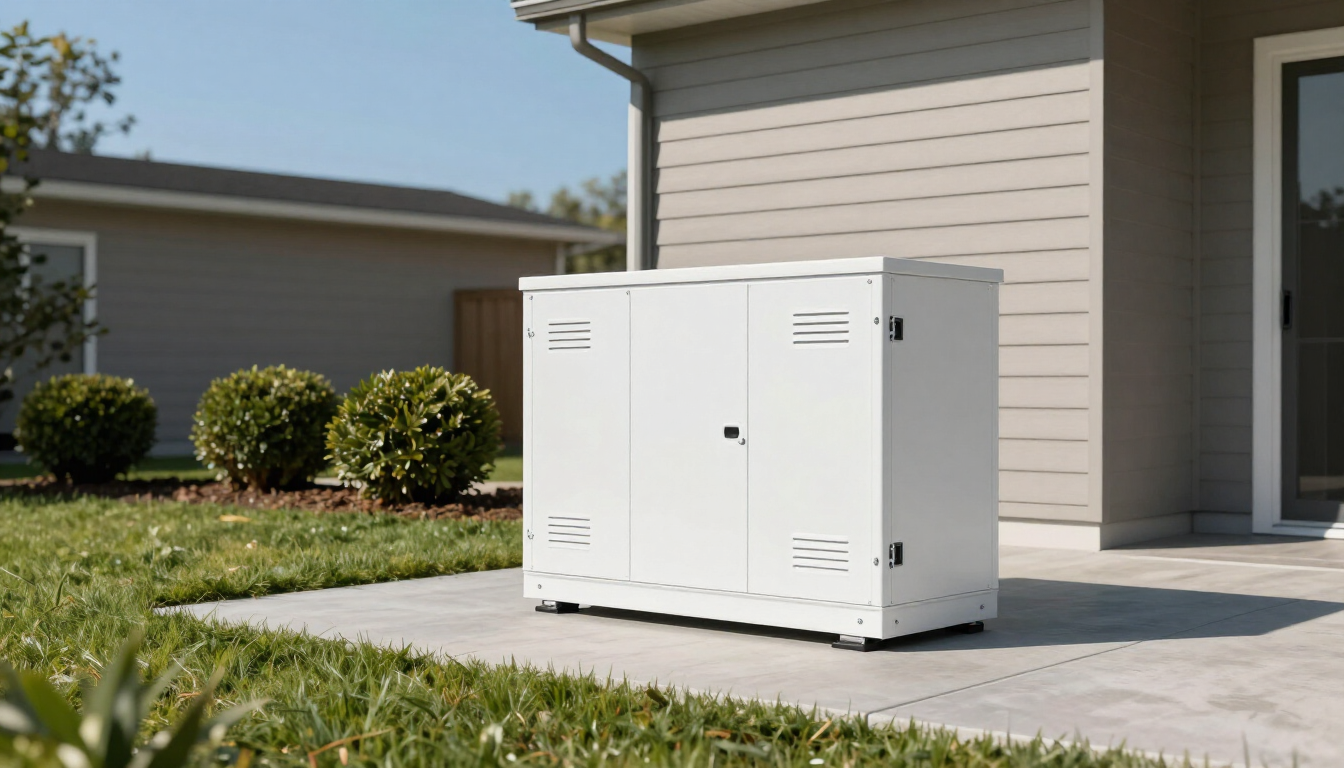
Understanding what a standby generator installation actually involves helps homeowners set realistic expectations. It is not a "plug-and-play" scenario. The process begins with a comprehensive site assessment by a licensed contractor. We evaluate your home’s existing electrical panel and determine the ideal placement for the unit. The location must meet specific local codes regarding distance from windows, doors, and combustible materials. Once the site is selected, a concrete pad or a pre-formed mounting base is prepared to provide a stable, level foundation for the unit.

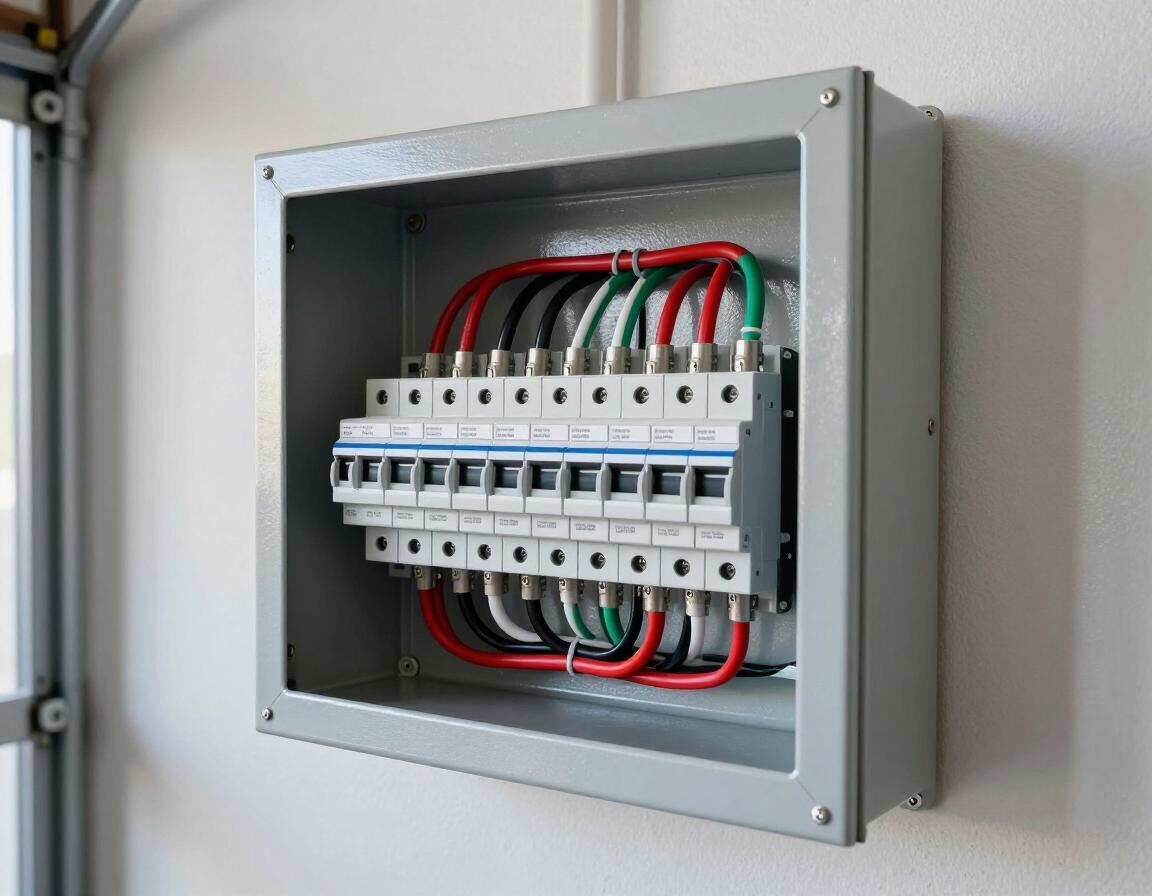
After the physical unit is set, the technical electrical and mechanical work begins. This includes the installation of the transfer switch, which acts as the "brain" of the system. Licensed professionals must also handle the connection to your home’s fuel source. Because these systems interface directly with your home’s main electrical supply, the complexity of the wiring requires a deep understanding of National Electrical Code (NEC) standards. This ensures that when the power goes out, the system detects the loss and activates safely within seconds without any manual intervention from you.

The Role of the Automatic Transfer Switch

The automatic transfer switch (ATS) is the most vital component of a standby generator installation. Its primary function is to monitor the utility power coming into your home. When it senses a significant drop in voltage or a complete blackout, it instantly disconnects your home from the utility line and connects it to the generator. This physical separation is what prevents backfeeding and protects both your home and the utility workers on the lines.

Without a properly installed transfer switch, a standby generator cannot function as intended. The switch ensures that your home’s electrical load is managed safely, preventing surges that could damage sensitive electronics like computers or high-efficiency HVAC components. When the utility power is restored, the ATS senses the stable voltage, switches your home back to the grid, and initiates a cool-down cycle for the generator before shutting it off. This entire process is automated, providing a level of reliability that portable units simply cannot match. For more information on how this integrates with your home comfort, see our Generators page.

How do permits and inspections protect your home?

One of the most overlooked aspects of a standby generator installation is the legal and regulatory requirement for permits and inspections. In Gallatin and the surrounding Middle Tennessee areas, local building departments require specific permits for both electrical and mechanical work. These aren't just bureaucratic hurdles; they are essential safety measures. A permit ensures that the local government is aware of the installation and that it meets all regional safety standards and zoning laws.

Once the installation is complete, a third-party inspector typically visits the site to verify that the work was done according to code. They check the wiring, the transfer switch configuration, and the unit’s placement. This inspection provides an additional layer of protection for the homeowner, confirming that the system is safe to operate and won't void your homeowner's insurance policy. Working with a professional team like Derryberry’s means we handle the permit application process and coordinate with inspectors, so you don't have to navigate the red tape alone. You can learn more about our commitment to quality on our About page.

Generator Installation Details

Why Choose a Generac System for Tennessee Storms?

When it comes to standby generator installation, brand reliability is paramount. Generac is a household name in home backup power, and for good reason. Their systems are engineered specifically for residential use, offering robust weather-resistant enclosures that can withstand the high winds and heavy rain common in Tennessee. They are designed to be relatively quiet during operation, ensuring that you don't disturb your neighbors while keeping your home running during a blackout. Their technology integrates seamlessly with modern smart home systems, allowing you to monitor your generator's status from your phone.

Choosing a Generac system also means you are opting for a product with a widespread support network. Because these units are so popular, finding parts and certified technicians for future maintenance is straightforward. At Derryberry’s Heat & Air, we often recommend Generac to our customers because of their proven track record in extreme weather conditions. By combining a top-tier product with our NATE-certified installation expertise, you get a backup power solution that you can trust for years to come. Our Services include full support for these advanced home systems.

Preparing Your Property for Professional Installation

Before our team arrives for your standby generator installation, there are a few things you can do to ensure the process goes smoothly. First, clear the area where the unit will be placed. This space should be free of debris, overgrown bushes, or stored items. If the installation requires trenching for gas or electrical lines, ensure that any underground pet fences or private irrigation lines are clearly marked. While we handle the heavy lifting, having a clear workspace allows our technicians to work more efficiently and safely.

Communication is also key. Make sure to discuss your specific power needs with your technician during the initial assessment. While the installation process focuses on the technical setup, knowing which circuits are most important to you—such as your well pump, sump pump, or home office—helps us ensure the transfer switch is configured to prioritize your comfort. Once the installation is finished, we will walk you through the operation of the unit and the simple maintenance tasks you can perform to keep it in peak condition. For long-term care, consider our Maintenance plans.

Summary of Standby Generator Installation

Securing your home with a standby generator is a significant step toward total storm preparedness. By moving away from the risks associated with portable units and investing in a professionally installed, permanent system, you protect your family and your property. Remember that a successful installation requires more than just the equipment; it requires a commitment to safety and adherence to local regulations. If you're ready to protect your Middle Tennessee home before the next storm season, we are here to help.

Key takeaways for your installation planning:

  • Always prioritize professional installation to ensure a safe transfer switch setup.
  • Secure all necessary local permits and pass inspections to maintain insurance compliance.
  • Never attempt to backfeed power through your home's outlets.
  • Choose a reliable brand like Generac for long-term durability and support.
  • Schedule your installation early in the year to avoid the spring storm rush.

To get started with a professional assessment of your home's needs, please visit our Contact page today.

Recent Posts

A professional technician performing a fall heating tune-up on a residential HVAC system.
September 7, 2026
Discover what a NATE-certified technician inspects during a fall heating tune-up. Learn about airflow, safety controls, and combustion checks for your home.
Modern smart thermostat on a living room wall during winter
August 24, 2026
Manage your heating costs this winter with professional tips on thermostat habits, heat pump efficiency, and airflow maintenance from Gallatin's HVAC experts.

A cozy winter home interior representing comfort and moisture control.
August 17, 2026
Discover how whole-home humidifiers from brands like Aprilaire and Honeywell improve winter comfort by addressing dry skin, static electricity, and cracking wood trim in Middle Tennessee homes.

A beautiful Middle Tennessee home during a crisp winter morning, representing residential comfort.
August 10, 2026
Compare heat pumps, gas furnaces, and dual fuel systems for Middle Tennessee winters. Learn which heating setup offers the best comfort and efficiency for your home without technical jargon.

Cozy bonus room above a garage with comfortable seating.
August 3, 2026
Is your room over the garage uncomfortable? Learn why bonus rooms stay hot or cold and explore solutions like ductless mini-splits and insulation fixes.
Modern carbon monoxide alarm mounted on a wall in a home hallway.
July 29, 2026
If your carbon monoxide alarm sounds, follow these life-saving steps. Learn why immediate evacuation is necessary and how to prevent future CO leaks with professional maintenance.
By Derryberry's Heat & Air June 22, 2026
Discover commercial HVAC maintenance tips for Middle Tennessee businesses, from routine service and filter changes to airflow, air quality, and seasonal prep that reduce costly downtime.
By Derryberry's Heat & Air June 8, 2026
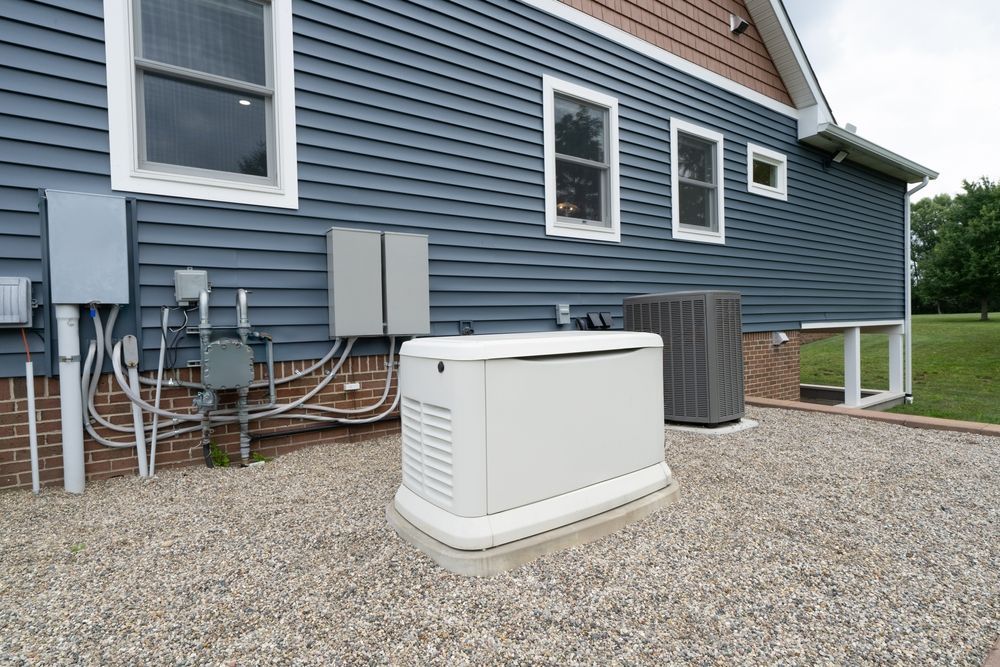
Learn why backup generators are worth considering in Middle Tennessee, from protecting comfort, food, and medical needs to keeping essential systems running during power outages.
By Derryberry's Heat & Air May 18, 2026
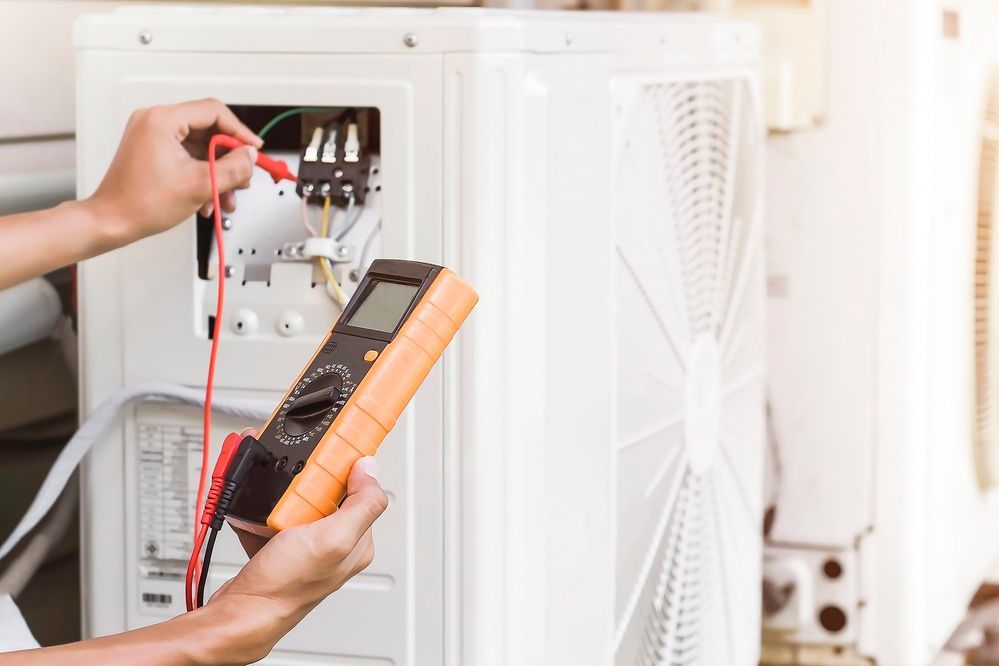
Learn what to do when your AC goes out during a Tennessee heat wave, from checking the thermostat, filter, and breaker to staying cool safely and knowing when to call for repair.
By Derryberry's Heat & Air May 11, 2026
Learn when you should replace your heating and cooling system, from system age and frequent repairs to rising bills, uneven temperatures, and humidity problems in Middle Tennessee homes.

Show More