
How to Check Gas Furnace Safety for Cold Nights

November 2, 2026

Share this article

Gas furnace safety starts with reliable carbon monoxide alarms, clear manufacturer-directed alarm placement, and a professional inspection before sustained cold weather arrives. If an alarm sounds or anyone feels ill, everyone must leave immediately and call 911 or the gas utility from outside—without investigating, resetting the alarm, or airing out the home first.

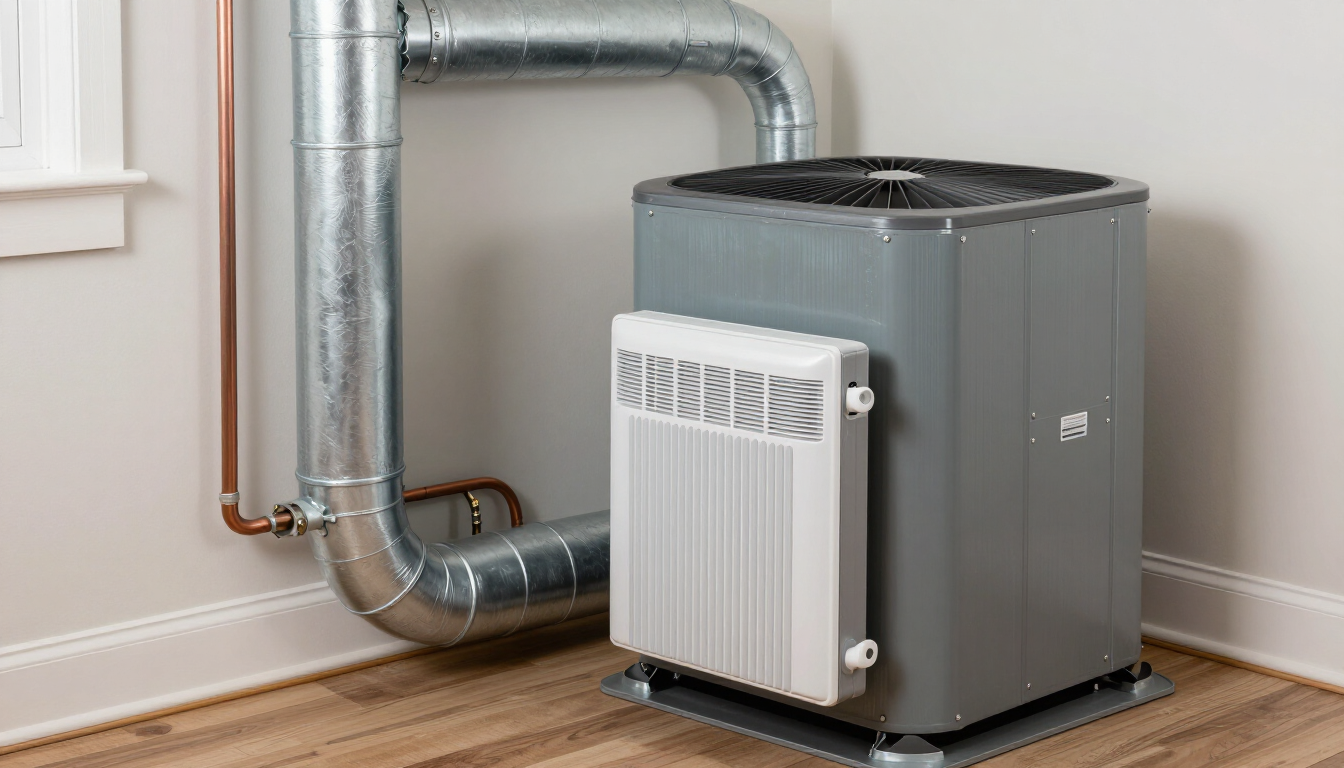
Gas furnace safety inspection by a certified HVAC technician

Why does gas furnace safety matter when the weather turns cold?

The first cold nights often prompt homeowners to start a furnace that has been idle for months. That seasonal change is a good reminder to confirm that the system and its safety equipment are ready before the home depends on continuous heat.

A gas furnace burns fuel to create warmth. When the equipment is properly installed, maintained, and vented, it can operate as designed. A neglected or damaged system may not perform safely or efficiently, which is why a professional inspection matters before heavy use.

Carbon monoxide is especially important to address. It is an invisible, odorless gas that can be produced when fuel-burning equipment does not operate or vent correctly. Working CO alarms provide an essential warning layer, but they do not replace furnace maintenance or a qualified evaluation.

For broader home comfort guidance, explore Derryberry’s heating and air conditioning services or learn how planned care supports dependable equipment through our maintenance services .

Are your carbon monoxide alarms ready?

Check that CO alarms are installed and maintained according to the alarm manufacturer’s instructions. The manufacturer’s guidance should control decisions about placement, testing, cleaning, replacement, and any required power source.

A maintenance-minded homeowner can make alarm readiness part of the seasonal furnace routine:

  • Confirm that alarms are present in the locations recommended by the manufacturer.
  • Test each alarm using its built-in test function as directed.
  • Replace batteries or the alarm itself when the manufacturer calls for replacement.
  • Keep alarms unobstructed and easy to hear from occupied areas.
  • Follow the product instructions rather than relying on informal placement advice.

Do not remove an alarm because it has never sounded. A quiet alarm is doing its job only if it is powered, functional, correctly placed, and within its service life. If the alarm indicates a fault or behaves unexpectedly, follow the manufacturer’s instructions and arrange appropriate service.

What should you do if a CO alarm sounds?

Treat every CO alarm as an emergency. If a CO alarm sounds, or if anyone feels ill, everyone must leave the home immediately. Once outside, call 911 or the gas utility. Make the call from outside the home.

Do not investigate the furnace first. Do not reset the alarm. Do not open windows or doors to air out the home before leaving. Do not re-enter until emergency responders or the gas utility says it is safe.

These actions are not a furnace troubleshooting exercise. The priority is getting everyone outside and contacting emergency help. A service professional can evaluate the heating equipment after the immediate emergency has been addressed, but a homeowner should not delay evacuation to inspect, silence, or restart anything.

What does a technician check during a furnace inspection?

A furnace inspection is more than turning the thermostat up and confirming that warm air comes from the vents. A qualified technician evaluates the equipment as a complete operating system and looks for conditions that could affect safety, reliability, comfort, and efficiency.

Depending on the equipment and the scope of the visit, the technician may review:

  • The heat exchanger and cabinet for visible damage or concerning conditions.
  • The burner assembly, ignition sequence, and flame performance.
  • The venting system and connections for proper routing and apparent concerns.
  • Safety controls and limit controls that help manage furnace operation.
  • Gas connections and operating performance using appropriate professional procedures.
  • The blower, filter condition, airflow, and duct connections.
  • Thermostat operation and the system’s response to a call for heat.
  • Signs of unusual wear, corrosion, blockage, or deferred maintenance.

The technician can also explain findings in plain language and identify which recommendations are urgent, which support future reliability, and which improve comfort or efficiency. That conversation helps a homeowner make an informed decision instead of waiting for a no-heat call during the coldest weather.

HVAC technician reviewing furnace maintenance findings with a homeowner

Which furnace details should you share with the technician?

Before the visit, note anything unusual about the system’s recent operation. Useful details include changes in startup, airflow, temperature consistency, sounds, odors, thermostat performance, or alarm behavior. Do not attempt to diagnose or repair a suspected gas or carbon monoxide problem yourself.

It is also helpful to provide access to the furnace, thermostat, filter, and visible venting. If you have service records, equipment information, or past repair notes, keep them available. This context can help the technician understand the system’s history and focus the inspection efficiently.

A professional can also review filter maintenance, airflow concerns, thermostat settings, and manufacturer recommendations. For homeowners considering a replacement rather than continued repairs, Derryberry’s systems page offers additional context about heating and cooling equipment options.

Seasonal furnace checklist

Use this simple seasonal reminder before the first sustained cold weather:

  • Confirm that your CO alarms are working and maintained according to the manufacturer’s guidance.
  • Keep the furnace area accessible and free from stored items that could interfere with service.
  • Check that the filter is appropriate for the equipment and replace it as directed.
  • Pay attention to unusual furnace operation without attempting unsafe troubleshooting.
  • Schedule a professional furnace inspection before the system must run continuously.

This checklist supports good preparation, but it is not a substitute for emergency response or professional service. Any alarm event or illness requires immediate evacuation and an outside call to 911 or the gas utility.

When should you schedule a furnace inspection?

The best time is before the first cold stretch, especially if the furnace has been idle, recently repaired, making unusual sounds, or serving a home where dependable heat is especially important. Scheduling early gives a technician time to identify maintenance needs before demand increases.

An inspection is also appropriate when you are buying a home, preparing a rental property, completing other HVAC work, or noticing changes in comfort. Even a system that appears to be working can benefit from professional attention because many important components are not safely or meaningfully evaluated through a homeowner visual check.

Derryberry’s Heat & Air serves Gallatin, Hendersonville, and surrounding Middle Tennessee communities with experienced HVAC service. The company’s NATE-certified technicians combine ongoing training with decades of practical experience to help homeowners maintain dependable heating and cooling systems.

To prepare for the cold nights ahead, contact Derryberry’s Heat & Air to schedule a furnace inspection.

Key takeaways

Gas furnace safety is easiest to manage before the heating season becomes urgent. Keep CO alarms working and follow the alarm maker’s placement and maintenance guidance. If an alarm sounds or anyone feels ill, leave immediately and call 911 or the gas utility from outside; never investigate, reset the alarm, or air out the home first. For routine preparation, schedule a professional furnace inspection so a qualified technician can review operation, venting, safety controls, airflow, and visible equipment condition. Make that appointment before sustained cold weather puts constant demand on the system.

Recent Posts

Whole-home humidifier installed with a furnace
By Samantha Boylls • October 26, 2026
Learn how a whole-home humidifier works with your furnace or heat pump, what a technician evaluates, and how it can improve dry winter comfort in Middle Tennessee.
Standby generator installation for winter storm preparation
By Samantha Boylls • October 19, 2026
Learn how licensed standby generator installation works—from site assessment and transfer switch planning to gas, electrical, permits, and inspection—before winter ice storms.
Heat pump auxiliary heat guide for Middle Tennessee homeowners
By Samantha Boylls • October 12, 2026
Learn why heat pump auxiliary and emergency heat run during Middle Tennessee cold snaps, which thermostat habits trigger them, and what a technician checks.
Technician performing a fall furnace tune-up
By Samantha Boylls • October 5, 2026
Learn what a fall furnace tune-up includes, what technicians inspect, and which safe heating checks homeowners can do before cold weather in Gallatin, TN.
A modern home interior at night during a snowstorm.
September 28, 2026
Facing a no heat emergency on the coldest night? Follow our calm, safe checklist for homeowners in Gallatin and Middle Tennessee to restore warmth or stay safe.
A cozy energy-efficient home in Middle Tennessee.
September 21, 2026
Discover how the TVA Home Uplift program transforms homes in Middle Tennessee. Learn how Derryberry’s Heat & Air participates in this community energy initiative.
A professional standby generator installation at a modern residence.
September 14, 2026
Learn the professional steps for standby generator installation to keep your home powered safely during Tennessee's spring storm season. Understand permits, safety, and why expert help is vital.
A professional technician performing a fall heating tune-up on a residential HVAC system.
September 7, 2026
Discover what a NATE-certified technician inspects during a fall heating tune-up. Learn about airflow, safety controls, and combustion checks for your home.
Modern smart thermostat on a living room wall during winter
August 24, 2026
Manage your heating costs this winter with professional tips on thermostat habits, heat pump efficiency, and airflow maintenance from Gallatin's HVAC experts.
A cozy winter home interior representing comfort and moisture control.
August 17, 2026
Discover how whole-home humidifiers from brands like Aprilaire and Honeywell improve winter comfort by addressing dry skin, static electricity, and cracking wood trim in Middle Tennessee homes.
Show More