Fall Heating Tune-up: What NATE-Certified Techs Inspect
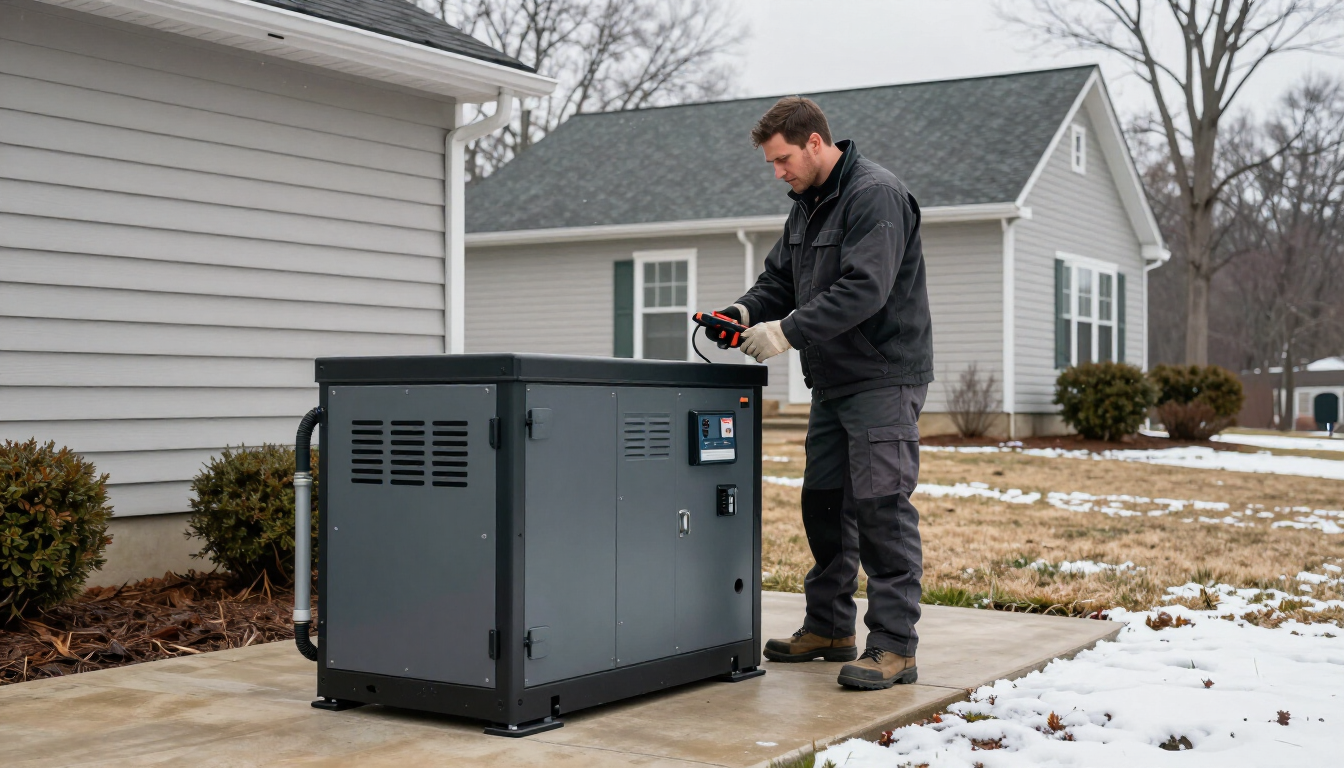
A fall heating tune-up is a professional technical assessment of your HVAC system’s mechanical and safety components. Conducted by a NATE-certified technician, the inspection verifies airflow, thermostat calibration, electrical connections, and combustion integrity to ensure reliable performance throughout the colder months in Gallatin and the surrounding Middle Tennessee areas.
What happens during a fall heating tune-up?
Professional HVAC maintenance is far more than a simple visual check; it is a rigorous diagnostic process designed to evaluate the operational readiness of your entire heating infrastructure. When a NATE-certified technician arrives at your home, they follow a systematic protocol that encompasses every critical component of your furnace or heat pump. This process begins with an initial system cycle test to establish a baseline of current performance. By observing the startup sequence, a technician can immediately identify audible anomalies or delayed ignition issues that might suggest underlying mechanical stress.
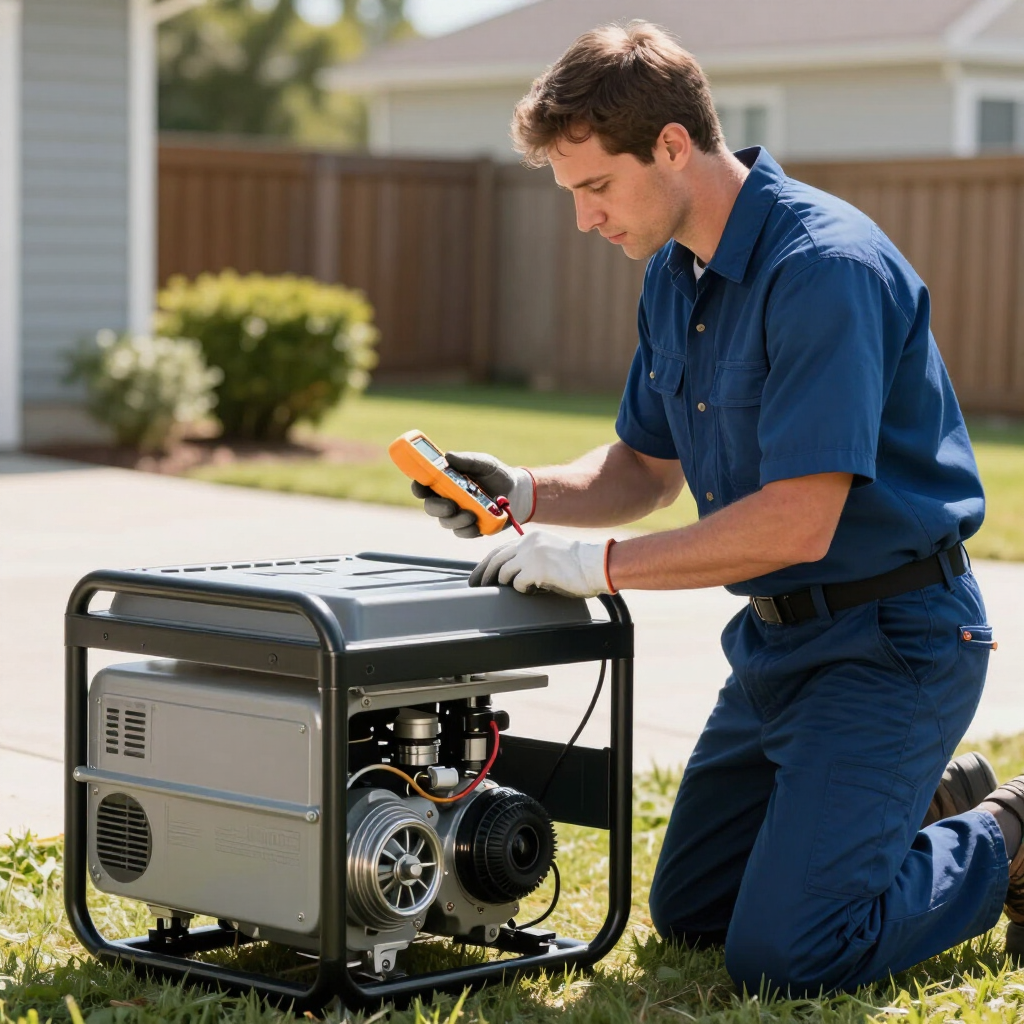
The primary objective is to verify that the system operates within the manufacturer's specified parameters. This involves measuring voltage and amperage on all motors, as improper electrical draw can lead to premature component failure or inefficient operation. Technicians also perform a comprehensive physical inspection of the interior cabinet, removing dust and debris that can impede heat transfer. In Middle Tennessee, where seasonal transitions can be sudden, ensuring that the heating system is primed to handle the first cold snap is essential for maintaining consistent indoor comfort. This professional maintenance oversight provides homeowners with the assurance that their system has been vetted by an expert who understands the complexities of modern HVAC technology.
The Importance of Airflow and Filter Inspection
Airflow is the lifeblood of any HVAC system. Without proper air movement, the heat exchanger can overheat, and the blower motor must work significantly harder to circulate air throughout the home. During a fall tune-up, the technician evaluates the static pressure within the ductwork. High static pressure is often a symptom of restricted airflow, which can be caused by various factors ranging from duct obstructions to improperly sized filtration systems. By measuring these levels, the technician ensures that the air volume meets the system's design requirements.
The inspection of the air filter is equally critical. While homeowners are encouraged to monitor their filters, a professional technician examines the filter's condition to determine if it is contributing to unnecessary system strain. They also inspect the blower assembly, specifically the blower wheel and motor. Dust accumulation on the blower wheel blades can reduce the aerodynamic efficiency of the fan, leading to decreased airflow and increased energy consumption. In Gallatin, TN , where residential dust and allergens can vary, ensuring the blower is clean is a key step in optimizing indoor air quality. The technician also checks the fan belt for signs of wear, such as cracking or fraying, and verifies that the motor is properly lubricated and balanced to prevent excessive vibration during operation.
How does a NATE-certified technician test thermostat operation?
The thermostat serves as the command center for your entire heating and cooling system. Even the most advanced furnace cannot operate effectively if the thermostat is miscalibrated or improperly communicating with the control board. During a professional services visit, the technician verifies that the thermostat is accurately sensing the ambient temperature. This is done by comparing the thermostat's reading against a calibrated digital thermometer. A discrepancy of even a few degrees can lead to frequent cycling or a failure to reach the desired temperature setpoint.
In addition to calibration, the technician inspects the internal wiring and connections of the thermostat. Loose or corroded wires can cause intermittent signal loss, resulting in the system failing to turn on when requested. For homeowners utilizing smart or programmable thermostats, the technician ensures that the firmware is updated and that the scheduling functions are operating correctly. This step is vital for ensuring that the system transitions smoothly between occupied and unoccupied temperature settings, which is a fundamental aspect of modern energy saving solutions . The NATE-certified expert also checks the battery levels in wireless units to prevent unexpected outages during the peak of winter. By confirming that the control interface is functioning perfectly, the technician ensures that the homeowner maintains full control over their indoor environment.
Safety Controls and Electrical Component Verification
Safety is the paramount concern during any heating system inspection. Modern HVAC units are equipped with multiple safety controls designed to shut the system down if a dangerous condition is detected. A NATE-certified technician meticulously tests these devices, including the limit switches and flame sensors. The limit switch, for instance, prevents the furnace from overheating by cutting off the burners if the internal temperature exceeds safe limits. If this switch is faulty, it could lead to severe equipment damage or a potential fire hazard. The technician verifies that the switch trips at the correct temperature and resets as intended.
Beyond safety switches, the electrical audit includes an inspection of the contactors and capacitors. These components are responsible for starting and maintaining the electrical current to the motors. Over time, contactors can become pitted or burned, leading to poor electrical contact, while capacitors may lose their ability to hold a charge, preventing the motor from starting. By measuring the capacitance and inspecting the physical condition of the contacts, the technician can identify components that are nearing the end of their functional utility. All electrical connections are checked for tightness and signs of thermal stress. This technical rigor is why specialized work is strictly reserved for professionals, as handling high-voltage components requires specific training and equipment to ensure both the safety of the technician and the integrity of the home's electrical system.
What are the specific combustion and heat pump checks?
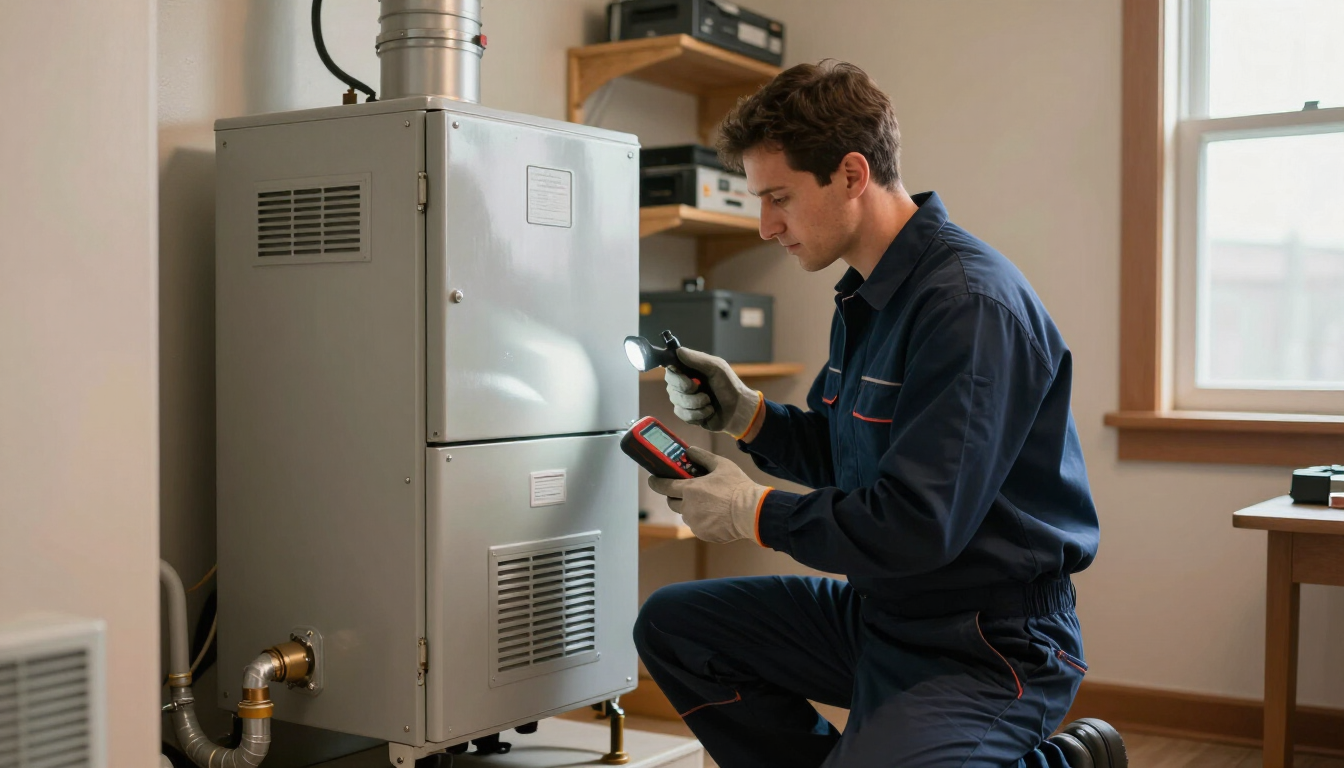
For homes with gas furnaces, the combustion process must be carefully monitored. The technician inspects the heat exchanger for any signs of cracks or corrosion. Even microscopic fissures in the heat exchanger can allow combustion gases, including carbon monoxide, to enter the home’s airstream. This is a critical safety check that requires a trained eye and specialized diagnostic tools. Additionally, the burners are cleaned and inspected to ensure a clean, blue flame, which indicates efficient combustion. The gas valve is checked for proper pressure, and the flue pipe is examined for obstructions or leaks that could prevent exhaust gases from venting safely outdoors.
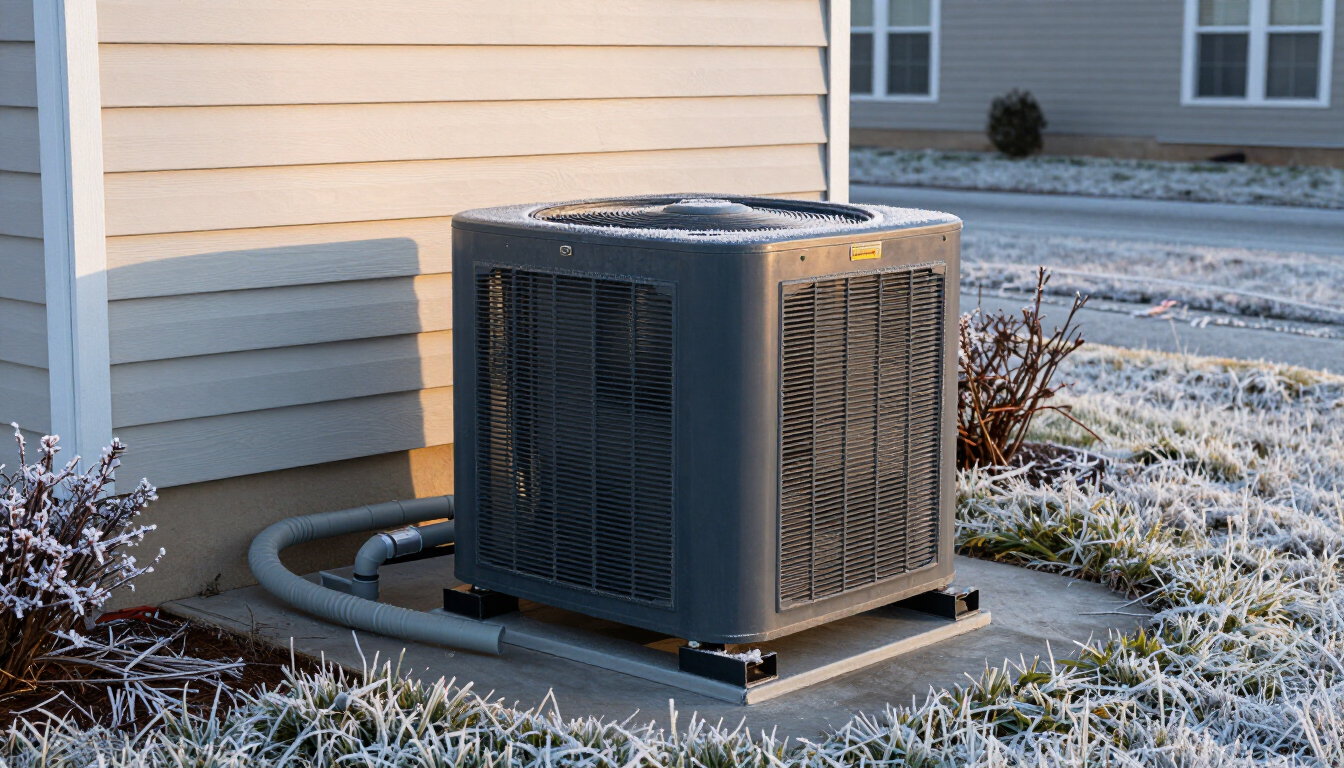
In the case of heat pump systems, the inspection shifts toward the refrigeration cycle and the reversing valve. The reversing valve is the component that allows the system to switch from cooling to heating mode. The technician ensures that this valve operates smoothly and without hesitation. They also check the refrigerant levels, as a leak can severely hamper the system's ability to extract heat from the outdoor air. The outdoor coil is inspected for debris or fin damage that could impede heat exchange. Furthermore, the defrost cycle is tested to ensure that the outdoor unit does not become encased in ice during freezing temperatures. Whether your home utilizes gas or electricity, these specialized checks ensure the mechanical heart of the system is prepared for the rigorous demands of a Tennessee winter.
Professional Technical Expertise for Homeowners
The complexity of modern heating systems necessitates a level of expertise that goes beyond basic DIY maintenance. NATE-certified technicians undergo rigorous training and testing to master the physics of airflow, the chemistry of combustion, and the intricacies of electrical circuitry. While homeowners can assist by maintaining a clean area around their units, the actual mechanical and electrical work must be performed by a professional. This ensures that every adjustment is made with precision and in accordance with national safety standards and local building codes.
Engaging a professional for a fall heating tune-up also provides an opportunity for homeowners to learn more about their specific systems . A technician from a trusted company can offer insights into the unique operating characteristics of the unit and explain the technical reasons behind the inspection findings. This collaborative approach empowers the maintenance-minded homeowner to make informed decisions about their home’s comfort infrastructure. By relying on a professional service, you avoid the risks associated with improper handling of gas lines or high-voltage wiring, ensuring that your home remains a safe and warm sanctuary throughout the season.
Our team at Derryberry's Heat & Air has been serving the community since 1986, and we understand that quality service is built on competence and professionalism. When you choose an expert inspection, you are choosing a comprehensive review of your home's most vital winter resource. Each step of the process, from the initial cycle test to the final safety check, is conducted with the goal of ensuring your environment remains stable, regardless of the temperature outside.
Conclusion and Essential Takeaways
A professional fall heating tune-up is an essential investment in the safety and functionality of your home. By addressing airflow, thermostat accuracy, safety controls, and combustion integrity, a NATE-certified technician ensures your system is prepared for the challenges of winter. This comprehensive inspection identifies technical issues that are invisible to the untrained eye, providing peace of mind and consistent comfort for your family in Middle Tennessee. By trusting the experts, you ensure your equipment operates within its designed safety parameters all winter long.
Key Takeaways:
- Safety First: Technicians verify limit switches and heat exchanger integrity to prevent combustion hazards.
- Precision Control: Thermostat calibration ensures your heating system responds accurately to your climate needs.
- Optimized Airflow: Detailed inspections of blowers and filters prevent unnecessary mechanical system strain.
- Expert Oversight: NATE-certified professionals handle complex gas and electrical diagnostics safely and effectively.
- System Readiness: Thorough checks of combustion or heat pump components ensure reliable operation during peak cold.
Ready to prepare your home for the upcoming cold weather? Contact us today to schedule your professional fall heating tune-up with our expert team at Derryberry's Heat & Air.