
How to Handle Heat Pump Ice in Winter

November 9, 2026

Share this article

Frost on a heat pump outdoor unit can be normal during winter, especially when it is light and disappears during an automatic defrost cycle. Steam rising during defrost is also expected. However, heavy ice that remains, blocked airflow, unusual operation, or falling indoor temperature requires a qualified HVAC technician to inspect the system promptly.

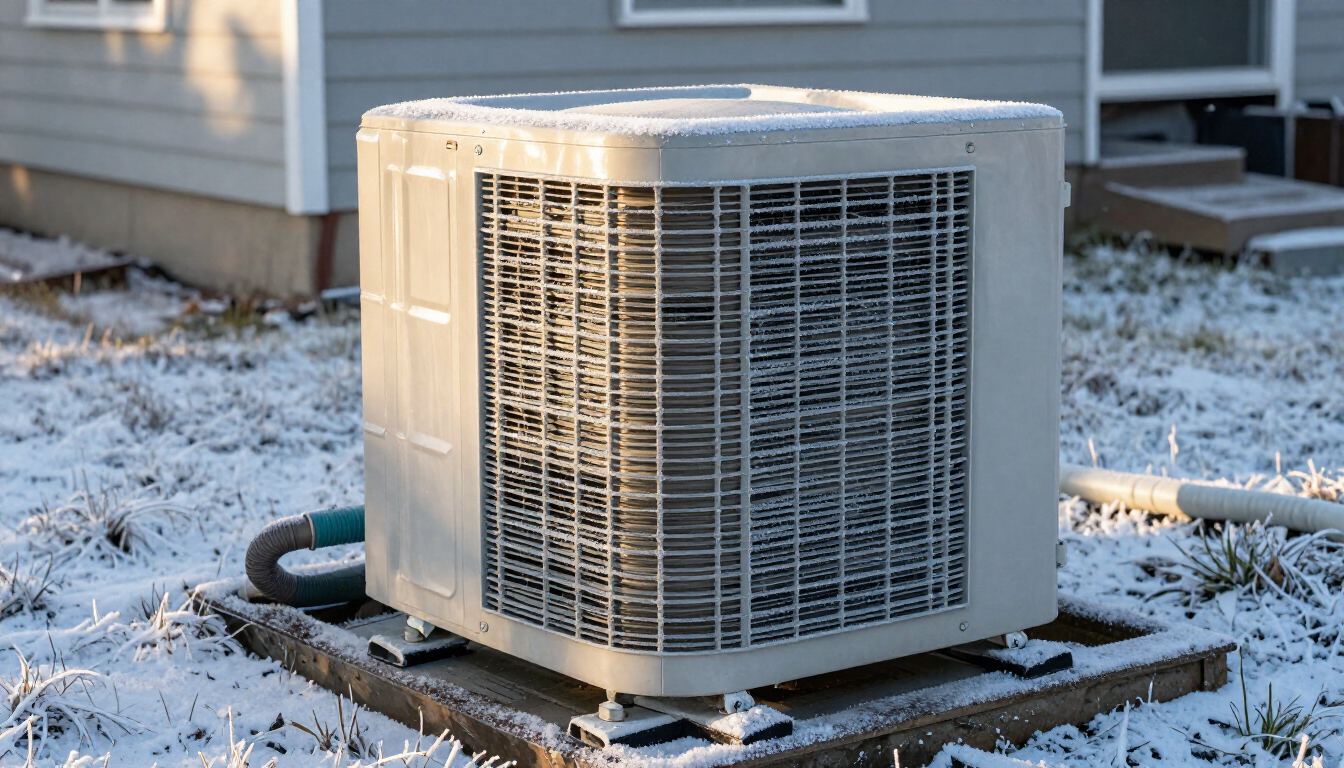
Heat pump outdoor unit with light winter frost

Is frost on a heat pump normal in winter?

Yes. A heat pump extracts heat from outdoor air, and moisture can collect and freeze on the outdoor coil when temperatures are low. A light coating of frost is often part of normal operation. The system should periodically enter a defrost cycle to remove that frost.

During defrost, the outdoor fan may stop, the system may sound different, and steam can rise from the unit. Indoor auxiliary heat may operate briefly while the outdoor coil clears. These signs do not automatically indicate a problem.

Normal frost generally:

  • Covers the coil lightly rather than forming a thick block of ice.
  • Clears during the system’s automatic defrost cycle.
  • Does not prevent airflow through the outdoor unit.
  • Allows the home to maintain a reasonably comfortable temperature.

If you are unsure whether your system is operating normally, review Derryberry’s heating and air conditioning services or contact the team directly.

When does heat pump ice indicate a problem?

Heavy ice that stays on the outdoor unit is not something to ignore. Persistent ice can restrict airflow, reduce heating performance, and place additional strain on the system. It may also signal an issue that requires professional inspection.

Call Derryberry’s Heat & Air if:

  • Ice continues building after the unit has had time to defrost.
  • The outdoor coil, fan area, or cabinet is heavily encased in ice.
  • The heat pump is blowing cool air or the indoor temperature is dropping.
  • The system runs continuously without maintaining comfort.
  • You notice unusual sounds, repeated shutdowns, or other changes in operation.

Do not try to determine the exact cause yourself. A qualified technician should evaluate the equipment and advise you on the appropriate repair.

What should you do if your heat pump is frozen?

Take only these safe, limited steps while arranging professional help if ice remains or heat drops:

  1. Check the air filter. A severely dirty filter can restrict indoor airflow. If it needs replacement, use the correct size and type recommended for your system.
  2. Check the thermostat. Confirm it is set to heat and that the desired temperature is above the current room temperature. Avoid repeatedly changing settings or switching modes.
  3. Clear snow and leaves around the outdoor unit. Remove loose debris from the surrounding area without touching the coil, fan, wiring, or cabinet. Keep space around the unit open for airflow.
  4. Observe the system from a safe distance. Note whether the ice clears, whether the fan operates normally, and whether the home continues losing heat.
  5. Call Derryberry’s Heat & Air. Contact the team if the ice stays, the system cannot maintain heat, or you are concerned about its operation.

These steps are intended to protect airflow and provide useful information for the technician. They are not a substitute for an HVAC inspection.

What should you never do to remove heat pump ice?

Never chip, scrape, or knock ice from the outdoor unit. Sharp tools can damage coils, tubing, wiring, and other components. Do not pour hot or cold water over the unit, since this can create additional ice or damage equipment.

Do not open electrical panels, reach through the grille, or touch refrigerant lines. Refrigerant work and electrical testing require proper training, tools, and safety procedures. Avoid attempting a forced defrost or changing internal controls.

If the unit is heavily iced, leave it alone and call a professional. You can also find related guidance through Derryberry’s maintenance services .

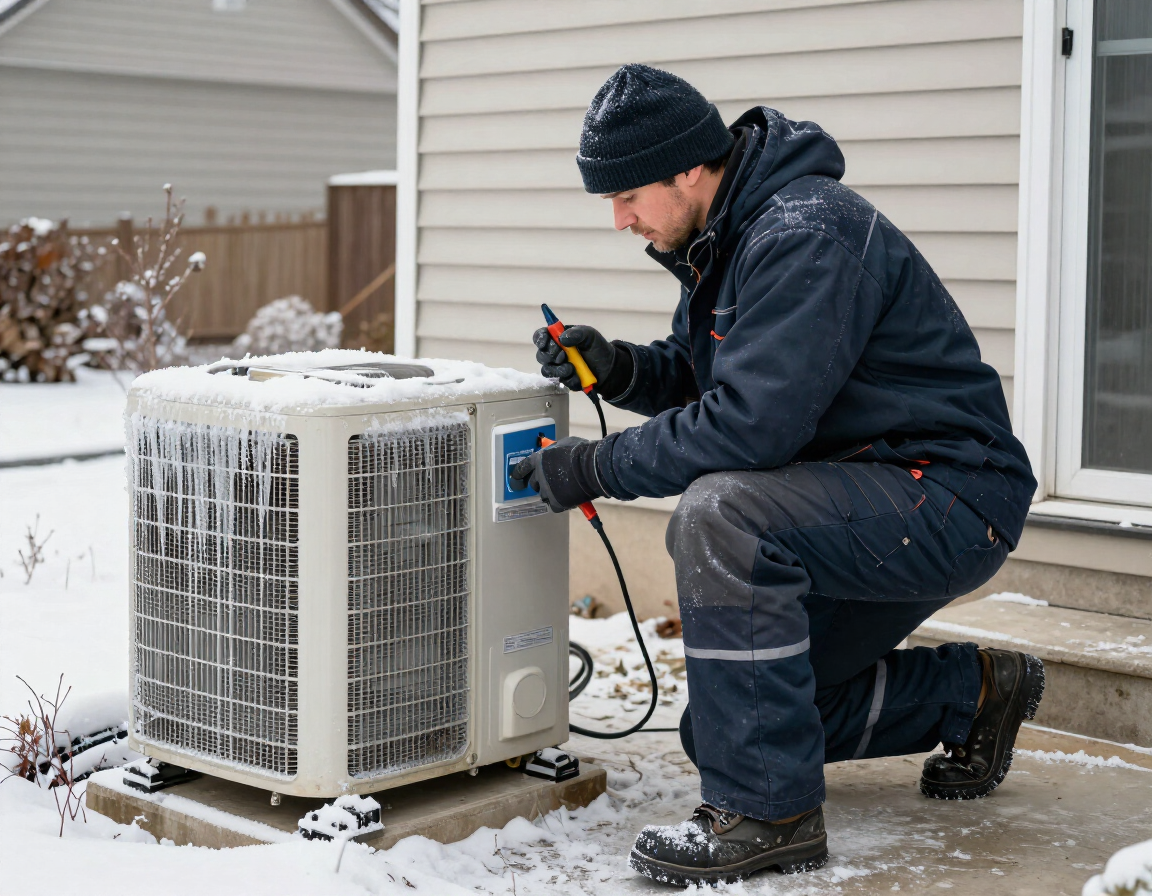
HVAC technician inspecting a frozen heat pump outdoors

What will an HVAC technician check?

A technician will inspect the complete system rather than simply removing visible ice. The evaluation may include:

  • Airflow: The technician may check the filter, indoor blower, ductwork, registers, and outdoor coil for restrictions.
  • Defrost operation: Controls, sensors, wiring, and the defrost board may be evaluated to confirm that the system can enter and complete its defrost cycle.
  • Outdoor fan and coil: The technician can inspect fan operation, coil condition, and the cabinet for damage or blockage.
  • Refrigerant circuit: Proper tools may be used to assess operating conditions and identify whether the system needs qualified refrigerant service.
  • Thermostat and controls: Settings, communication, and staging can be checked to ensure the heat pump is being called to operate correctly.
  • Electrical components: Connections, capacitors, contactors, and other components may be inspected according to safe service procedures.

The technician will explain what was found and what action is recommended. Do not operate exposed or damaged equipment while waiting for service.

How can you reduce winter heat pump problems?

Routine professional maintenance can help identify airflow, electrical, control, and equipment concerns before cold weather creates a heating emergency. Keep the outdoor area clear throughout the season, replace filters according to system and household needs, and pay attention to changes in comfort or operating sounds.

A maintenance visit does not guarantee that a system will never need repair, but it gives a technician an opportunity to review key components and operating performance. Derryberry’s HVAC services are available for homeowners in Gallatin, Hendersonville, and surrounding Middle Tennessee communities.

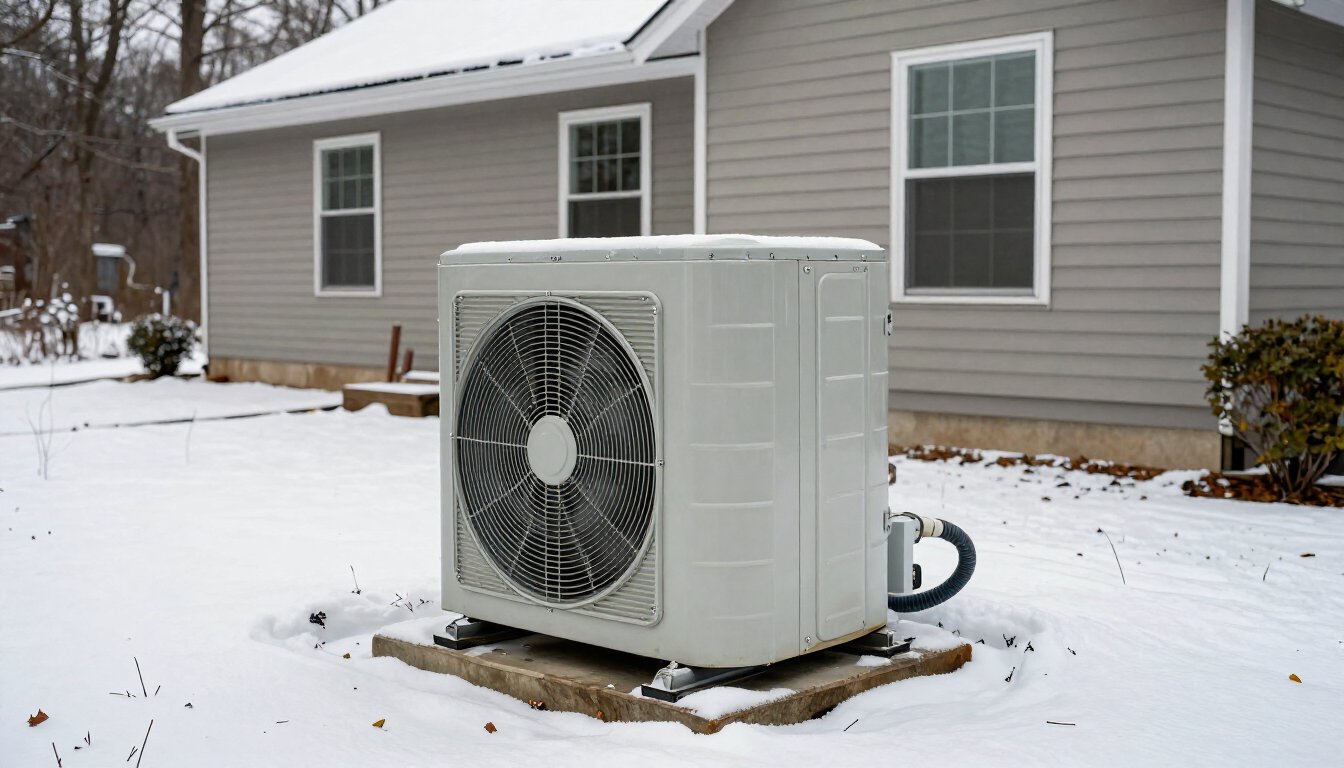
Residential heat pump maintained and clear of winter debris

Frequently asked questions

Is steam from a heat pump dangerous?

Steam during an automatic defrost cycle is usually caused by frost melting quickly on the warm outdoor coil. It should dissipate. If the system is heavily iced, losing heat, or operating unusually, contact Derryberry’s Heat & Air for service.

Can I pour water on a frozen heat pump?

No. Do not pour water on the unit. Water can refreeze, add to the ice buildup, or damage components. Never chip the ice or open the cabinet.

Should I turn off a frozen heat pump?

Do not make repeated operating changes or attempt a forced defrost. If the system is heavily iced, the home is losing heat, or you observe a safety concern, call a qualified HVAC technician for instructions and service.

How quickly should I call for persistent ice?

Call when heavy ice remains or indoor heat drops. Persistent ice needs professional attention; do not assume it will resolve on its own.

Key takeaway

Light frost that clears during a defrost cycle is commonly normal, and steam during that cycle can be expected. Heavy ice that remains, restricted airflow, unusual operation, or falling indoor temperature requires a qualified technician’s attention. Check the filter and thermostat, keep snow and leaves away from the outdoor unit, and do not chip ice, pour water, open panels, or touch refrigerant components. If ice stays or your heat pump cannot maintain comfort, contact Derryberry’s Heat & Air for professional help in Gallatin, Hendersonville, and surrounding Middle Tennessee areas.

Recent Posts

Gas furnace safety inspection by a certified HVAC technician
November 2, 2026
Prepare your gas furnace for the first cold nights with practical gas furnace safety guidance, working CO alarms, and a professional inspection from Derryberry’s Heat & Air.
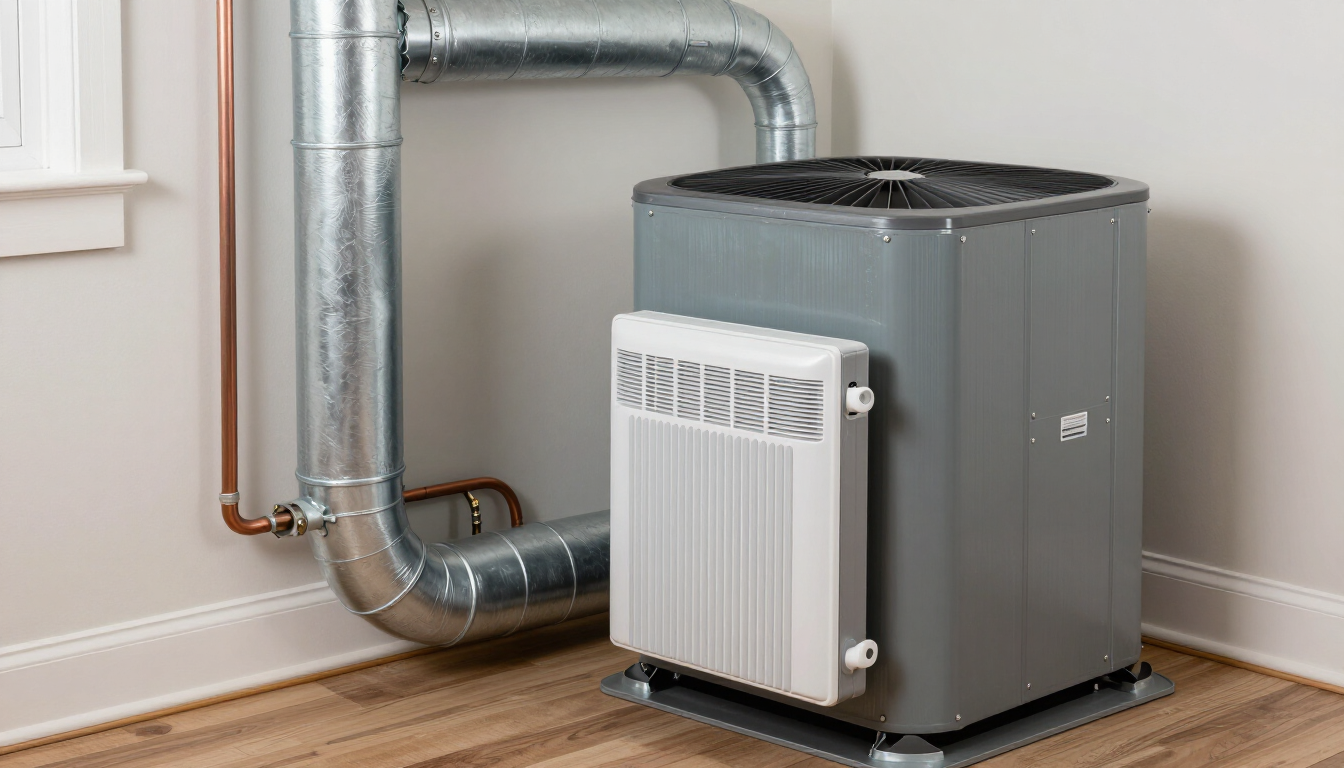
Whole-home humidifier installed with a furnace
By Samantha Boylls • October 26, 2026
Learn how a whole-home humidifier works with your furnace or heat pump, what a technician evaluates, and how it can improve dry winter comfort in Middle Tennessee.
Standby generator installation for winter storm preparation
By Samantha Boylls • October 19, 2026
Learn how licensed standby generator installation works—from site assessment and transfer switch planning to gas, electrical, permits, and inspection—before winter ice storms.
Heat pump auxiliary heat guide for Middle Tennessee homeowners
By Samantha Boylls • October 12, 2026
Learn why heat pump auxiliary and emergency heat run during Middle Tennessee cold snaps, which thermostat habits trigger them, and what a technician checks.
Technician performing a fall furnace tune-up
By Samantha Boylls • October 5, 2026
Learn what a fall furnace tune-up includes, what technicians inspect, and which safe heating checks homeowners can do before cold weather in Gallatin, TN.

A modern home interior at night during a snowstorm.
September 28, 2026
Facing a no heat emergency on the coldest night? Follow our calm, safe checklist for homeowners in Gallatin and Middle Tennessee to restore warmth or stay safe.

A cozy energy-efficient home in Middle Tennessee.
September 21, 2026
Discover how the TVA Home Uplift program transforms homes in Middle Tennessee. Learn how Derryberry’s Heat & Air participates in this community energy initiative.
A professional standby generator installation at a modern residence.
September 14, 2026
Learn the professional steps for standby generator installation to keep your home powered safely during Tennessee's spring storm season. Understand permits, safety, and why expert help is vital.
A professional technician performing a fall heating tune-up on a residential HVAC system.
September 7, 2026
Discover what a NATE-certified technician inspects during a fall heating tune-up. Learn about airflow, safety controls, and combustion checks for your home.

Modern smart thermostat on a living room wall during winter
August 24, 2026
Manage your heating costs this winter with professional tips on thermostat habits, heat pump efficiency, and airflow maintenance from Gallatin's HVAC experts.

Show More