Carbon Monoxide Alarm: 3 Critical Steps to Stay Safe
If your carbon monoxide alarm sounds, evacuate all people and pets from the building immediately and call 911 or your local gas utility from a safe outdoor location. Do not attempt to investigate the source, open windows, or reset the alarm, as CO is colorless and odorless.
What should I do if my carbon monoxide alarm goes off?
The moment you hear the piercing, repetitive beep of a carbon monoxide (CO) detector, your priority must shift entirely to evacuation. Carbon monoxide is often referred to as the "silent killer" because it is a gas that has no taste, no smell, and no color. Because humans cannot detect its presence without technology, the alarm is your only reliable warning that the air inside your home has become potentially lethal. In the Gallatin and Hendersonville areas, many homes rely on natural gas or propane for heating, which makes understanding this protocol essential for every homeowner.
When the alarm sounds, do not hesitate. Follow these immediate steps:
- Gather every person and pet in the house.
- Exit the building through the nearest door.
- Move to a safe distance, such as a neighbor's yard or the sidewalk.
- Call 911 or your local emergency gas services from your mobile phone once outside.
- Remain outside until emergency responders clear the building.
It is vital to understand that a CO alarm is not like a smoke detector where you might look for the source of a fire. Because you cannot see or smell the gas, you cannot "find" the leak yourself. The alarm indicates that the concentration of carbon monoxide has reached a level that requires professional intervention. By staying inside to investigate, you are exposing yourself to higher concentrations of the gas, which can lead to rapid cognitive impairment, making it even harder to escape safely.
Why you must evacuate before calling for help
Many homeowners feel a natural urge to call for help while still standing in the kitchen or living room. However, the seconds you spend on the phone inside the house are seconds you are breathing in contaminated air. Carbon monoxide binds to the hemoglobin in your bloodstream more effectively than oxygen does. This means that even in a short period, your body's ability to transport oxygen to your brain and heart is significantly diminished. If you stay inside to describe the situation to a dispatcher, you risk losing consciousness before help arrives.
Calling from outside ensures that you are breathing fresh air while providing the necessary information to emergency services. Furthermore, emergency responders need to know that the building is clear of occupants so they can focus on locating the source of the leak and ventilating the structure. At Derryberry's Heat & Air , we have seen how quickly these situations can escalate, and we always advise our customers that no piece of property is worth the risk of staying inside during a CO event.
Should I open windows if I suspect a CO leak?
A common misconception is that opening windows and doors will "clear the air" enough to make the home safe to stay in. While ventilation is part of the professional remediation process, you should never stop to open windows during an active alarm. Opening windows creates a false sense of security. It may slightly lower the concentration of the gas in a specific area, but it does not stop the source of the leak, nor does it guarantee the air is safe for you to breathe.
Furthermore, by opening windows, you may unintentionally interfere with the readings that emergency responders need to take. When the fire department or gas utility arrive, they use specialized sensors to determine the exact parts per million (PPM) of carbon monoxide in the home. This data helps them identify which appliance—whether it is the furnace , water heater, or stove—is malfunctioning. If you have already ventilated the space, the readings may be artificially low, potentially leading to a dangerous situation where the source of the leak is not properly identified and repaired.
Can I find a cracked heat exchanger myself?
The short answer is no. A cracked heat exchanger is one of the most common sources of carbon monoxide in a home with a gas furnace, but it is not something a homeowner can spot during a routine look-over. The heat exchanger is a series of metal coils or tubes inside your furnace that separates the combustion process from the air being circulated through your home. If these metal components develop even a hairline fracture, combustion gases—including CO—can leak into your ductwork and be distributed to every room in the house.
Identifying a failure in this component requires specialized tools and training. NATE-certified technicians use several methods to check for integrity, including:
- Visual inspections using high-resolution snake cameras.
- Combustion analysis to measure the efficiency and output of the burner.
- Pressure testing to see if gases are escaping the sealed system.
- Infrared technology to detect heat patterns that indicate structural failure.
- Chemical dye tests that reveal otherwise invisible cracks.
Attempting to self-diagnose a furnace issue is dangerous. If you suspect your heating system is the culprit, the only safe action is to keep the system off and wait for a professional inspection. Our team at Derryberry's has been serving Middle Tennessee since 1986, and we have the diagnostic equipment necessary to ensure your heating and air conditioning system is operating within safe parameters.
Why annual heating inspections matter
Prevention is the most effective strategy for managing carbon monoxide risks. While CO alarms are a vital last line of defense, they are designed to alert you once a problem has already occurred. Regular maintenance is designed to catch mechanical failures before they turn into emergencies. During an annual safety inspection, a technician does more than just clean the unit; they perform a comprehensive safety audit of the entire combustion system.
Metal expands and contracts every time your furnace cycles on and off. Over a decade or more of Middle Tennessee winters, this constant stress can lead to metal fatigue. A system that was perfectly safe last year could develop a dangerous flaw this year. By scheduling a professional check-up, you ensure that components like the flue pipe, the burner assembly, and the heat exchanger are all intact and venting correctly. This proactive approach not only keeps your family safe but also helps your system run more efficiently, potentially lowering your energy bills.
What happens during a professional furnace inspection?
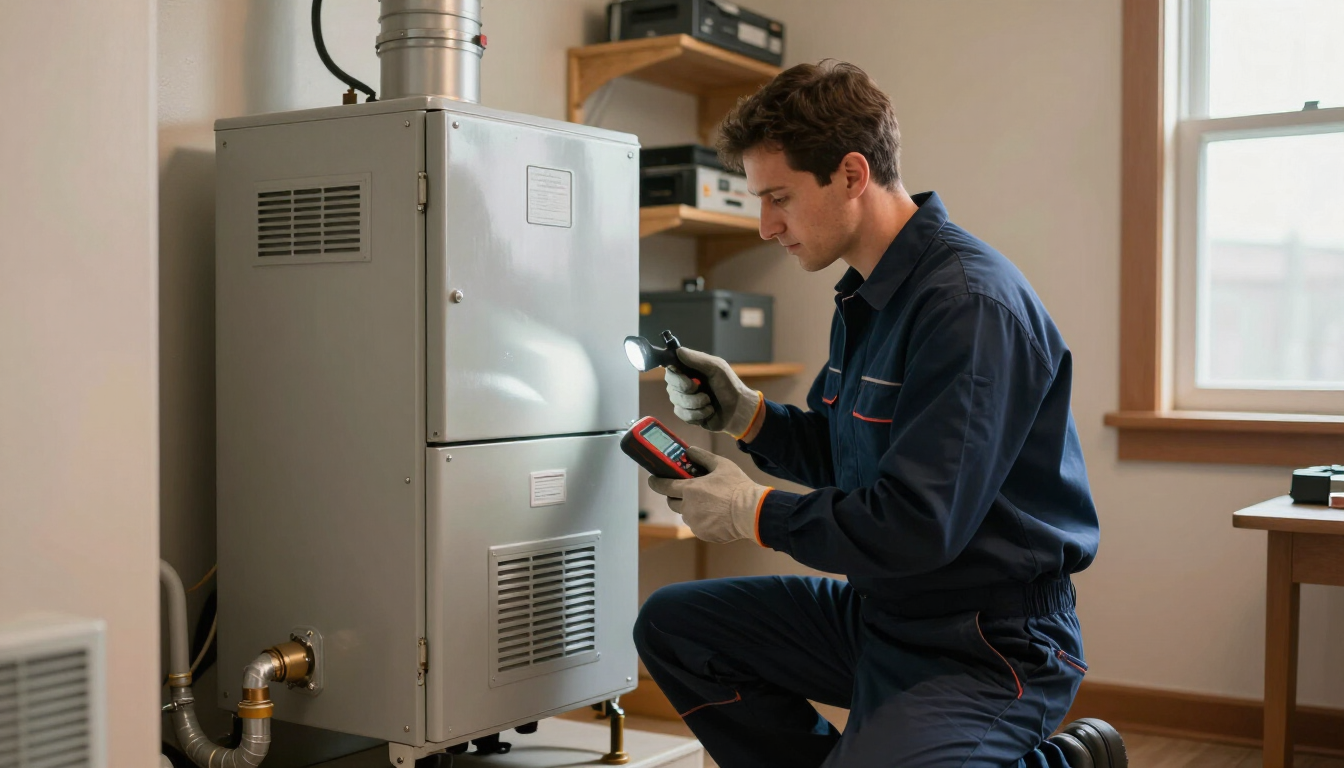
When a Derryberry’s technician arrives at your home for a safety inspection, they follow a rigorous protocol to ensure every possible failure point is checked. We believe in transparency and quality, which is why we explain our findings to homeowners so they can make informed decisions about their systems . A professional inspection is a deep dive into the health of your HVAC equipment.
Key steps in a professional safety inspection include:
- Checking the flue and venting system for blockages or corrosion.
- Testing the pilot light or electronic ignition for proper operation.
- Cleaning the burner assembly to ensure complete combustion.
- Verifying that the CO detectors in the home are within their expiration dates.
- Measuring the gas pressure to ensure the furnace isn't "over-firing."
Many homeowners are surprised to learn that carbon monoxide detectors actually have expiration dates, usually between five and seven years. During a maintenance visit, we check these dates and test the sensors to make sure your safety net is actually functional. If your detectors are old or improperly placed, we can provide guidance on where to install new ones for maximum effectiveness.
Safeguard your family with Derryberry's Heat & Air
At Derryberry’s Heat & Air, we understand that your home is your sanctuary. As a family-owned business that started as a one-man operation in 1986, we have built our reputation on the promise of providing competent, professional service to our neighbors in Gallatin and Hendersonville. Our NATE-certified technicians treat every safety inspection with the gravity it deserves, knowing that our work directly impacts the well-being of the families we serve.
If your CO alarm has sounded recently, or if it has been more than a year since your last heating system check, do not wait for a potential emergency. A simple inspection can provide the peace of mind that comes from knowing your home’s air is safe and your equipment is reliable. Whether you are interested in energy saving solutions or need immediate assistance with a malfunctioning unit, our team is ready to help.
Key Takeaways for Carbon Monoxide Safety
Managing a carbon monoxide event requires calm, immediate action. By following the right protocols and investing in preventative care, you can protect your household from this invisible threat. Remember these core principles of home safety:
- Evacuate immediately: Never stay inside to investigate or open windows when an alarm sounds.
- Call for help from outside: Use a mobile phone or a neighbor's phone to contact emergency services.
- Never ignore an alarm: Even if you feel fine, high CO levels can cause sudden illness without warning symptoms.
- Professional inspections are mandatory: Only a trained technician can verify the integrity of a heat exchanger.
- Maintenance is prevention: Schedule an annual heating safety check to catch issues before they become life-threatening.
For residents in Middle Tennessee, staying safe means being prepared. If you have questions about your furnace’s safety or want to schedule a comprehensive system audit, please visit our contact page today. We are committed to keeping your home comfortable and, above all, safe for years to come.